Dimout Roller Blinds Pros and Cons for Privacy and Light Control
Yes, dimout roller blinds offer a balanced way to handle privacy and light control, but they have some downsides. Many homeowners find it hard to pick window coverings that give privacy without making a room feel like a dark cave. You want natural light, but you also need to block nosy neighbors. Roller blind dimout fabrics fix this by softening sunlight. They cut down glare while keeping your space bright and cozy. In the daytime, you get strong privacy without losing that open, airy feel. Still, these blinds are not right for every case. Knowing the pros and cons of roller blinds helps you see if they match your needs. This article looks at their good and bad points so you can choose wisely for your home.
Defining Dimout Roller Blinds
Understanding the Fabric and Weave
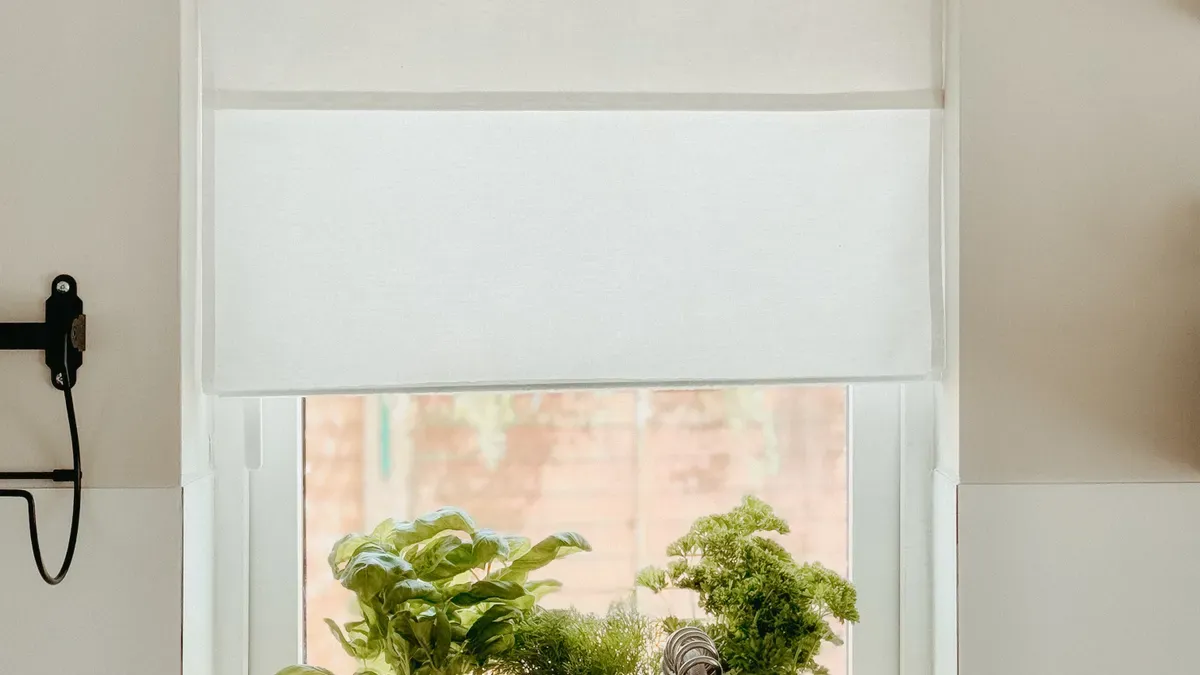
Dimout fabrics use a special weave to block most light. They block between 70% and 95% of incoming light, so only a soft glow enters your room. This weave reduces harsh glare while keeping your space bright and inviting. You get natural light without the uncomfortable brightness. The tight construction of the fabric scatters direct sunlight. This diffusion creates a pleasant, even illumination across your room. Hot spots and harsh shadows disappear.
The fabric construction matters for durability and performance. Many roller blinds use a blend of materials like this:
| Property | Value |
|---|---|
| Composition | 30% Fiberglass, 70% PVC |
| Process | PVC Fiberglass Laminated |
| Weight | 490gsm ±5% |
| Thickness | 0.33mm ±5% |
| UV Protection | >99.8% |
| Fire Retardant | Yes (NFPA701) |
| Waterproof | Yes |
This PVC-coated fiberglass blend offers strength and stability. The fiberglass core prevents stretching over time. Your blinds stay straight and operate smoothly for years. The PVC coating adds durability and makes the fabric easy to clean. Some roller blind dimout fabrics use PVC-coated polyester instead. That option also lasts well and allows clean-cut edges for a precise fit. For eco-friendly choices, you can find 100% polyester dimout fabrics. These contain no PVC and are recyclable, though they may stretch slightly over time. Many vendors pre-stretch these materials to minimize that issue, so you still get reliable performance.
Dimout vs. Blackout vs. Sheer
Understanding the differences helps you pick the right material for your needs. Dimout fabrics offer a middle ground for privacy and light control. They transmit 5% to 30% of light, which means you get daytime privacy without complete darkness.
“Room Darkening” or “Dim-out” fabrics block between 70% and 95% of light. This implies a light transmission percentage range of 5% to 30% (the complement of the blocked percentage).
Blackout fabric, by contrast, blocks nearly all light. You get total darkness, which works well for bedrooms or media rooms. But blackout fabric also makes a room feel closed off during the day. Sheer fabrics take the opposite approach. They let most light pass through while offering minimal privacy. Sheer roller blinds create a light, airy feel but do little to block outside views at night.
Dimout roller blinds sit between these two options. You get soft light diffusion for a comfortable atmosphere. You also get daytime privacy without sacrificing brightness. For living rooms and home offices, this balance often works perfectly. You avoid the harsh glare of direct sunlight while still enjoying natural illumination. Your space stays private from outside viewers during daylight hours. At night, however, the fabric becomes more translucent when interior lights are on. You may want to pair dimout blinds with curtains for extra privacy after dark.
Roller Blind Dimout: Key Pros for Living Spaces
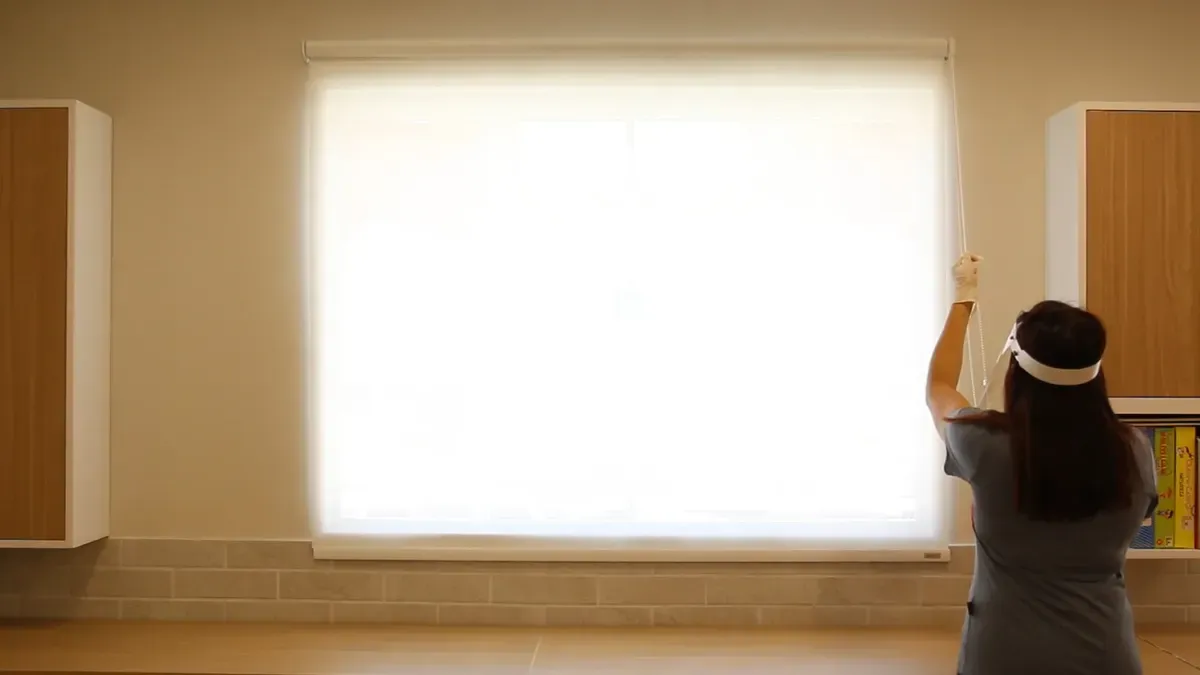
Dimout roller blinds work great in living rooms and home offices. These rooms need a good mix of light and privacy. You want bright natural light for daily tasks. You also want to block people from seeing inside. Dimout fabrics give you both without making you pick one. The room stays open and friendly, not dark or closed in.
Soft Light Diffusion and Glare Reduction
Direct sunlight causes big problems. It washes out your TV screen. It makes computer work hard on your eyes. It throws sharp shadows on your reading chair. Dimout fabric fixes these issues with its tight weave. The material spreads out sunlight before it hits your eyes. You get a soft, even glow instead of strong beams. This keeps your room bright and lively. But you avoid squinting and eye pain from uncovered windows.
The fabric blocks 70% to 95% of sunlight. That leaves you with a gentle 5% to 30% of light coming through. Think about what that means in real life. A sunny afternoon no longer means you must close heavy curtains. You can still see outside. You stay connected to the sky and street. The light feels nice and soft, like sitting under a shade tree on a clear day. Your workspace stays useful. Your living room stays good for talking or relaxing.
This matters most for rooms that face south or west. Those windows get strong afternoon sun. Without cover, they create glare that makes the room hard to use. Dimout roller blinds handle that harsh light well. You get more hours of comfortable use from rooms that used to feel bad during peak sunlight.
Daytime Privacy and Aesthetic Versatility
Getting privacy during the day is easy with these blinds. From outside, the fabric looks smooth and solid. Neighbors cannot see into your home. You can move around freely without worry. Inside, you still get that bright, open feel. You do not give up natural light for privacy. This works well for ground-floor rooms or homes on busy streets.
The heat and UV protection adds more value. Dimout fabric blocks over 99.8% of harmful UV rays. Your furniture, floors, and art stay safe from fading. The material also cuts down on heat from the sun. Your AC works less during hot months. You save energy while staying comfortable inside. These benefits add up over time, protecting your stuff and your energy bills.
These blinds also look great in many styles. The clean, simple design fits modern homes well. You get straight lines and neat shapes that match new furniture. Unitec offers many colors and finishes. You can match your current décor or add a small pop of color. The smooth fabric catches light nicely. It adds texture without taking over the room. Whether you like warm neutrals, cool grays, or bold colors, you will find something that works. The blinds fit right into your space, working as both useful tools and nice design pieces.
Key Cons of Dimout Roller Blinds
Dimout fabrics are good at filtering light, but they don’t block all of it. This can be a problem for some rooms. Bedrooms and home theaters need complete darkness for sleep or movies. Dimout roller blinds can’t give you that full blackout. You will still see a soft glow around the edges and through the fabric. For these rooms, you might need another option.
Light Leakage and Edge Gaps
Light gets around the sides of most roller blinds. Makers must leave space for the roller tube to spin. This design need leaves visible gaps along each edge.
Makers subtract at least ½ inch from each side of the blind so the roller can move without issues.
On a normal manual blind, the fabric is usually 1.25 to 1.5 inches narrower than the window opening. This size difference lets the roller tube turn without scraping the frame. The result is a light gap of about ½ inch on each side. Bright sunlight streams through these gaps during the day. At night, you can see street lights and passing car headlights.
| Mount Type | Typical Side Gap | Standard |
|---|---|---|
| Inside Mount | ½ to 1 inch per side | Total shade width = window width minus 1 inch; Fabric width = total shade width minus 1½ inches |
| Outside Mount | Minimal to none | Shade width = window width plus 4 to 6 inches; Full overlap prevents side light leaks |
Limited Nighttime Privacy
At night, dimout fabrics have a different problem. When you turn on lights inside, the fabric becomes more see-through. People outside can see shadows and movement.
| Shade Type | Nighttime Privacy | Visibility |
|---|---|---|
| Sheer | Almost none | Room fully visible |
| Light Filtering | Low | Lit interior visible as soft glow |
| Room Darkening | Fair to good | Faint silhouettes only |
FAQ
Can dimout roller blinds block all light at night?
No. The fabric lets 5% to 30% of light pass through. With interior lights on, your silhouette becomes visible from outside.
How should you measure windows for roller blinds?
Measure width at the top, middle, and bottom. Use the narrowest width for inside mounts. Add 3 to 4 inches per side for outside mounts.
Are dimout roller blinds safe for children?
Yes. Look for cordless mechanisms. The CPSC recommends cordless options for home safety.
Do dimout roller blinds protect furniture from UV damage?
Yes. The fabric blocks over 99.8% of UV rays, preventing fading in your furniture, floors, and artwork.