Fabric Blinds vs Traditional Blinds Which Offers More Benefits
When comparing fabric blinds to traditional window coverings, many find that fabric blinds offer a versatile blend of style, affordability, and suitability for various spaces. The table below highlights key differences:
| Aspect | Fabric Blinds | Wooden Blinds |
|---|---|---|
| Style | Elegant, versatile | Classic, luxurious |
| Light Control | Blocks or filters light | Adjustable slats for precision |
| Privacy | Good with thick fabric | Excellent |
| Durability | Durable, needs maintenance | Very durable |
| Maintenance | Attracts dust, harder stains | Easy to wipe clean |
| Cost | More affordable | Higher upfront |
| Room Suitability | Matches many decor styles | Best for traditional interiors |
Unitec Blinds stands out in the market with its Roller Blinds Fabric, offering a wide range of fabric choices for those seeking both function and style in their window blinds.
Types of Blinds
Fabric Blinds Overview
Fabric blinds have become a popular choice for modern interiors. They offer a soft, elegant appearance and provide flexibility in design. Fabric roller shades, such as those from Unitec Blinds, use high-quality fabric to deliver both style and function. These window coverings allow homeowners to select from a wide range of colors, patterns, and textures. The fabric roller shades operate smoothly, making them easy to adjust for light and privacy. Unitec Blinds Roller Blinds Fabric stands out by offering durable materials that maintain their vibrant look over time.
Tip: Fabric roller shades can create a cozy atmosphere and complement various décor styles.
Traditional Blinds Overview
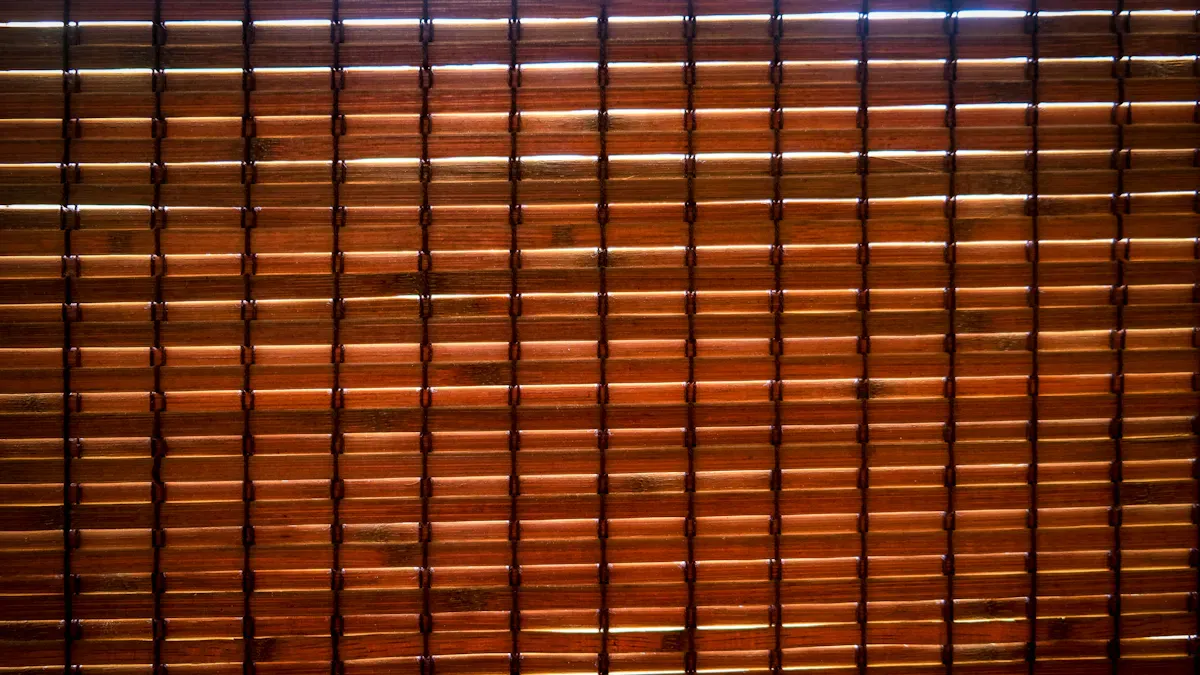
Traditional blinds include options like wood, faux wood, aluminum, and bamboo. These window blinds feature adjustable slats, which provide precise control over light and privacy. The materials used in traditional blinds offer durability and a classic aesthetic. For example, wood blinds add warmth and elegance, while faux wood blinds resist moisture and suit kitchens or bathrooms. Aluminum blinds are lightweight and customizable, making them suitable for many rooms. Bamboo and woven wood shades bring natural beauty and flexibility.
| Material | Characteristics | Advantages | Disadvantages |
|---|---|---|---|
| Genuine Wood | Light, blends with décor, enhances value | Unique look, easy to maneuver | Can warp in moisture |
| Faux Wood | Durable, moisture-resistant | Affordable, ideal for humid areas | Heavier than real wood |
| Aluminum | Customizable, sleek | Durable, easy to clean | May lack warmth |
| Bamboo | Lightweight, flexible | Natural aesthetics | Less strength for large windows |
Key Differences
The core differences between fabric blinds and traditional blinds lie in their materials, operation, and style. Fabric roller shades use fabric, offering a wide range of design options and a softer look. Traditional blinds rely on materials like wood, faux wood, and aluminum, providing a more structured appearance. Fabric blinds operate by rolling up or down, while traditional blinds use slats that tilt for light control. Fabric roller shades excel in design versatility, while traditional blinds deliver classic appeal and robust performance.
| Category | Examples |
|---|---|
| Product Type | Roller Shades, Vertical Blinds, Panel Blinds, Roman Shades, Venetian Blinds, Pleated Shades |
| Fabric | Synthetic Blinds & Shades, Natural Blinds & Shades |
| Mode of Operation | Automatic Blinds & Shades, Manual Blinds & Shades |
Fabric roller shades from Unitec Blinds combine style and practicality, making them a leading option among window coverings.
Style & Appearance
Fabric Blinds and Roller Shades Design
Fabric roller shades bring a high level of design versatility to any space. They offer a wide range of customizable options, making them suitable for living rooms, bedrooms, and offices. Homeowners can select from solid colors, bold patterns, and various textures. This flexibility allows fabric blinds to enhance both modern and traditional interiors. For example, a neutral shade can blend seamlessly with classic décor, while a patterned fabric roller shade can create a focal point in a contemporary room. The appearance of these window coverings adapts to personal preferences, providing a unique aesthetic for every setting.
Note: Customization options include smooth fabrics for a sleek look or textured materials like linen for a more traditional feel.
| Feature | Options |
|---|---|
| Color & Pattern | Neutral tones for versatility; bold colors and patterns for statement-making |
| Texture | Smooth fabrics for a modern look; textured fabrics like linen for a traditional aesthetic |
| Customization | Tailored options for unique colors, patterns, and fabric types to fit specific needs |
Traditional Blinds Aesthetic
Traditional blinds deliver a timeless appearance and style. They come in materials such as wood, faux wood, and aluminum, each offering a distinct aesthetic. Wood blinds provide warmth and elegance, while aluminum options suit minimalist spaces. These window blinds can fit both classic and modern interiors, giving homeowners flexibility in their design choices. The slatted structure of traditional blinds adds a structured look, which appeals to those who prefer a more defined appearance.
| Feature | Description |
|---|---|
| Classic Styles | Available in wood, faux wood, fabric, and aluminum |
| Versatility | Suitable for both modern and classic interiors, offering timeless elegance |
| Custom Options | Personalized with different materials, patterns, and colors |
Unitec Blinds Style Options
Unitec Blinds offers a comprehensive selection of fabric roller shades and traditional blinds to match any aesthetic. Their 100% polyester roller blinds suit general use, while blends like 30% polyester and 70% PVC are ideal for moisture-prone areas such as kitchens and bathrooms. Bedrooms and living rooms benefit from the soft appearance of 100% polyester zebra blinds. PVC roller blinds provide durability for children’s rooms, and fabric options deliver a gentle aesthetic appeal. This variety ensures that every room receives the right balance of appearance and style, making Unitec Blinds a leader in window coverings.
Light & Privacy

Light Control with Fabric Blinds
Light control remains a primary consideration when selecting window coverings. Fabric roller shades offer a range of options for managing sunlight and privacy. Homeowners can choose from various opacities, including sheer, light-filtering, and blackout shades. Sheer fabrics allow natural light to fill living rooms, creating an inviting atmosphere. Light-filtering materials provide a gentle glow, making them ideal for kitchens and offices. Blackout shades deliver maximum darkness, which suits bedrooms and media rooms. The versatility of fabric blinds ensures that each space receives the right balance of illumination and privacy.
| Opacity Level | Light Entry | Privacy Level | Best Use |
|---|---|---|---|
| Sheer | High | Low | Living rooms |
| Light-filtering | Medium | Medium | Kitchens, offices |
| Blackout | Low | High | Bedrooms, theaters |
Fabric roller shades also contribute to energy efficiency by reducing heat gain and loss, especially when blackout materials are used. This feature helps maintain comfortable indoor temperatures and lowers energy bills.
Privacy Features of Traditional Blinds
Traditional blinds, including wood, faux wood, and aluminum, use adjustable slats to provide precise light control and privacy. Users can tilt the slats to block direct sunlight or allow partial light entry. This flexibility makes traditional window blinds suitable for spaces where privacy is essential, such as bathrooms and offices. The slatted design also enhances energy efficiency by minimizing heat transfer through windows. Homeowners appreciate the ability to adjust blinds throughout the day, ensuring comfort and security.
·Blackout materials: Ideal for bedrooms and nurseries, they block light effectively.
·Light-filtering materials: Provide a soft glow, suitable for kitchens and offices.
·Flexible materials: Such as slatted blinds, allow for adjustable light control throughout the day.
Unitec Blinds Light Solutions
Unitec Blinds offers tailored light control solutions for every room. Their fabric roller shades come in a wide selection of fabrics and colors, supporting both modern and classic decor. Zebra blinds provide multiple settings for light control and privacy, making them perfect for tech offices and homes with varied lighting needs. Roller blinds with blackout options excel in bedrooms and media rooms, delivering superior performance in light blocking and energy efficiency.
| Room Type | Recommended Solution | Benefits |
|---|---|---|
| Tech Office | Zebra Blinds | Controls glare, maintains natural light |
| Home with Varied Lighting | Zebra Blinds | Multiple settings for light control and privacy |
| Contemporary Spaces | Zebra Blinds | Wide range of fabrics and colors for modern decor |
| Bedrooms/Media Rooms | Roller Blinds | Maximum darkness with blackout options |
| Nurseries/Home Theaters | Roller Blinds | Superior performance in light blocking |
Unitec Blinds ensures that every customer finds the right window coverings for their needs, combining fabric roller shades with advanced energy efficiency and privacy features.
Durability and Maintenance
Comparing Fabric and Vinyl
When comparing fabric and vinyl, homeowners often consider both the expected lifespan and the ability to withstand daily use. Each material offers unique strengths for window blinds. Aluminum blinds lead the market in durability, with a lifespan of 8 to 12 years and the lowest failure rate. These blinds resist warping, UV degradation, dents, and scratches, making them ideal for high-traffic areas. Vinyl blinds can last up to 20 years and maintain their appearance with minimal fading or staining. However, extreme sunlight may cause some warping over time. Wood blinds provide a classic look but have a shorter lifespan of 3 to 5 years due to moisture absorption and thermal expansion. Composite wood requires more frequent replacement than aluminum. Fabric blinds, especially those made with modern roller fabrics, offer a balance of style and durability. Treated fabrics resist stains and fading, making them suitable for both homes and offices.
| Material | Durability Rating | Lifespan (Years) | Failure Rate | Notes |
|---|---|---|---|---|
| Aluminum | 50,000+ cycles | 8-12 | Lowest | High-traffic areas, resists warping and UV degradation |
| Wood | N/A | 3-5 | 15-20% higher | Aesthetic, limited durability in moisture |
| Vinyl | N/A | Up to 20 | N/A | Flexible, fade and stain-resistant, can warp in sunlight |
| Composite Wood | N/A | N/A | N/A | More frequent replacement than aluminum |
Maintenance Tips for Blinds
Proper care extends the life of any window blinds and ensures they remain attractive. Most vinyl, PVC, and aluminum blinds require only a quick wipe or dusting for easy maintenance. These materials suit environments where hygiene is important, such as kitchens and bathrooms. Modern roller fabrics often feature dust-repellent or stain-resistant finishes, which simplify cleaning. Regular dusting with a microfiber cloth or duster works well for all types of blinds. For fabric blinds, a vacuum with a brush attachment removes dust efficiently. Spot cleaning with mild soap and water addresses stains on fabric surfaces. Wood blinds need more attention, including conditioning treatments every 6 to 12 months and professional refinishing every few years.
| Type of Blinds | Maintenance Challenges |
|---|---|
| Woven Wood Shades | More prone to wear and tear, difficult to clean, less durable |
| Traditional Blinds | Durable, easy to clean, requires occasional dusting |
Tip: For easy maintenance, choose blinds with treated surfaces that resist dust and stains, especially in high-traffic or moisture-prone areas.
·Vinyl and aluminum blinds need simple dusting and occasional damp wiping.
·Fabric blinds benefit from regular vacuuming and spot cleaning.
·Wood blinds require conditioning and occasional refinishing.
Unitec Blinds Product Durability
Unitec Blinds Roller Blinds Fabric stands out for its use of durable materials and advanced construction. The fiberglass roller blinds from Unitec offer exceptional longevity and heat resistance, making them a preferred choice for schools, kitchens, and other demanding environments. Polyester roller blinds from Unitec are designed for easy maintenance and resist fading and mildew, ensuring they remain visually appealing for years. These features make Unitec Blinds a reliable option for those seeking both durability and ease of maintenance in their window coverings. The combination of robust materials and thoughtful design ensures that Unitec Blinds products deliver long-lasting performance and low-maintenance care.
Note: Unitec Blinds Roller Blinds Fabric provides a practical solution for those who value durability and easy maintenance, making it a smart investment for any space.
Cost & Value
Fabric Blinds Pricing
Fabric blinds offer a wide range of price points, making them accessible for many homeowners. Entry-level options use polyester or vinyl and suit those seeking budget-friendly solutions. Mid-range selections include premium fabrics and designer patterns, while luxury choices feature advanced materials and smart technology. The following table outlines the typical price ranges for fabric blinds in the current market:
| Price Range | Description |
|---|---|
| Under $2,500–$3,000 | Budget-friendly options, including aluminum, vinyl, and polyester fabric blinds. |
| $3,000–$8,000 | Mid-range materials like real wood, premium vinyl, and quality fabrics. |
| Over $8,000 | Premium materials such as hardwoods, designer fabrics, and smart materials. |
Homeowners can select a product that fits both their budget and their desired style.
Traditional Blinds Cost
Traditional blinds come in a variety of materials, each with its own cost structure and maintenance requirements. Natural materials like bamboo or woven wood require regular dusting and occasional professional cleaning, which can increase long-term expenses. Synthetic options, such as vinyl or aluminum, need less maintenance and offer greater durability. The following list highlights key cost considerations for traditional blinds:
·Natural materials (bamboo/woven wood) require monthly dusting and annual humidity control, leading to higher maintenance costs.
·Synthetic materials need only quarterly cleaning and minimal repairs for the first decade.
·Energy efficiency varies, with traditional wood and bamboo providing limited thermal benefits compared to engineered fabric systems.
Buyers should weigh both the upfront price and ongoing care when choosing window blinds for their space.
Unitec Blinds Value
Unitec Blinds delivers exceptional value by combining competitive pricing with advanced features. The company draws on decades of experience in manufacturing blinds fabrics, ensuring reliability and expertise. Customers benefit from a wide selection of high-quality, certified fabrics that meet international standards. Unitec Blinds controls every step of production, allowing for tailored solutions and consistent quality. The table below summarizes the value-added features that set Unitec Blinds apart:
| Feature | Description |
|---|---|
| Extensive Experience | Specializing in manufacturing various blinds fabrics since 2002, ensuring reliability and expertise. |
| High-Quality Fabric Selection | Offers a broad selection of fabrics certified by SGS, Greenguard, and Oeko-tex 100. |
| Strong R&D Capabilities | Focus on exclusive product development to meet emerging trends and customer needs. |
| Vertical Integration | Direct control over quality and customization from raw materials to finished products. |
| Tailored Solutions | Commitment to providing customized solutions and dedicated support for B2B partners. |
| Exceptional Service | Emphasis on quick communication and reliable support to enhance customer competitiveness. |
Unitec Blinds stands out for its commitment to quality, innovation, and customer satisfaction, making it a smart investment for any home or office.
Best Room Uses
Fabric Blinds for Living Spaces
Fabric blinds create a welcoming atmosphere in living rooms and bedrooms. They offer a soft appearance and a wide range of colors and textures, allowing homeowners to match their décor easily. In living rooms, these blinds balance comfort and style, using warm materials that invite relaxation. Bedrooms benefit from blackout options, which enhance privacy and block out light for restful sleep. Sound-dampening qualities also contribute to a peaceful environment. Home offices often require glare control, and light-filtering fabrics help maintain a professional look while reducing eye strain.
Tip: Choose easy-to-maintain blinds for high-traffic areas to keep your space looking fresh.
| Room Type | Key Considerations |
|---|---|
| Living Rooms | Comfort, appearance, durability, easy maintenance |
| Bedrooms | Privacy, darkness, sound dampening |
| Kitchens & Baths | Moisture resistance, easy cleaning, heat tolerance |
| Home Offices | Glare control, light filtering, professional finish |
Traditional Blinds for Kitchens & Baths
Traditional blinds excel in kitchens and bathrooms due to their durability and resistance to moisture. Faux wood and vinyl options withstand humidity and heat, making them ideal for these challenging environments. Vinyl blinds are waterproof and affordable, perfect for bathrooms where frequent cleaning is necessary. Aluminum blinds offer a budget-friendly solution for busy kitchens, providing long-lasting performance. The non-porous surfaces of these window blinds allow for quick cleaning of spills and stains, ensuring hygiene and convenience.
·Durability: Faux wood and vinyl blinds handle the demands of kitchens and bathrooms.
·Moisture Resistance: Vinyl and PVC do not warp, even in high humidity.
·Ease of Cleaning: Non-porous surfaces make maintenance simple.
| Type of Blinds | Advantages |
|---|---|
| Faux Wood Blinds | Moisture and heat resistant, elegant appearance |
| Vinyl Blinds | Waterproof, affordable, easy to clean |
| Roller Blinds | Wipeable fabrics, simple operation |
| Aluminum Blinds | Durable, budget-friendly |
Unitec Blinds Recommendations
Unitec Blinds recommends selecting blinds based on the unique needs of each room. For living rooms and bedrooms, fabric roller blinds provide comfort, style, and effective light control. In kitchens and bathrooms, moisture-resistant options such as vinyl or PVC roller blinds ensure longevity and easy maintenance. Home offices benefit from light-filtering blinds that reduce glare and maintain a professional setting. By choosing the right blinds for each space, homeowners can enhance both the functionality and appearance of their interiors.
Choosing the Right Blinds
Benefit Summary
Selecting the right window blinds involves weighing the unique advantages of each type. The following table highlights how fabric blinds and traditional blinds compare across several important benefits:
| Benefit | Fabric Blinds (Shades) | Traditional Blinds |
|---|---|---|
| Energy Efficiency | Superior insulation, especially with cellular shades | Generally less efficient |
| Privacy | Complete coverage without gaps | Gaps between slats can compromise privacy |
| Aesthetic Flexibility | Unlimited decorative possibilities | Limited material options |
| Noise Reduction | Absorbs sound better, contributing to quieter environments | Hard materials do not absorb sound well |
| Durability | Less durable compared to traditional options | More durable and easier to maintain |
Fabric blinds excel in energy efficiency and privacy. They also offer a wide range of decorative options, making them suitable for many interior styles. Traditional blinds provide long-lasting durability and require less maintenance. Each type brings unique strengths to different spaces.
Customer reviews often reflect these differences. Zebra roller shades receive praise for ease of use and value. Cellular shades filter light well and remain affordable. Bamboo roller shades offer a rustic look and simple installation. Blackout roller shades stand out for complete darkness and child safety features. Homeowners should consider these factors when choosing the best solution for their needs.
Decision Guide
Homeowners should focus on key factors when selecting blinds for each room. The following points can help guide the decision-making process:
·Privacy: Bedrooms and bathrooms require high privacy. Blackout blinds work well for these spaces, while sheer options balance light and privacy in living areas.
·Aesthetic Appeal: The style of the room matters. Modern roller blinds suit contemporary spaces. Roman shades add elegance to traditional rooms.
·Energy Efficiency: Honeycomb blinds insulate against heat and cold. Solar blinds reduce heat while maintaining outside views.
Many homeowners make common mistakes when choosing blinds. The most frequent errors include:
1.Choosing blinds based only on showroom appearance without considering daily function.
2.Overlooking the need for proper light control, which can cause glare or discomfort.
3.Ignoring privacy requirements, especially in bedrooms and bathrooms.
4.Selecting the lowest-priced option, which may lead to higher costs over time.
5.Failing to match blinds to the specific conditions of each room.
6.Measuring windows incorrectly, resulting in poor fit.
7.Forgetting about long-term convenience and ease of use.
Tip: Always measure windows carefully and consider how each room is used before making a final choice.
By focusing on these key factors, homeowners can select blinds that enhance comfort, match the desired style, and provide lasting value.
Fabric blinds deliver versatile style, energy efficiency, and easy maintenance, while traditional options excel in durability and classic appeal. The table below offers quick recommendations for selecting the best blind type for each room:
| Room | Best Blind Type | Why It Works |
|---|---|---|
| Living Room | Wood or Faux Wood | Stylish with flexible light control |
| Kitchen | Faux Wood or Vinyl | Resists humidity and cleans easily |
| Bedroom | Venetian or Faux Wood | Offers privacy and full light-blocking |
| Office | Aluminum or Venetian | Sleek design with precise light management |
| Patio Doors | Vertical Blinds | Ideal for wide openings and easy access |
Unitec Blinds provides personalized solutions, including roller, zebra, and blackout zebra blinds, to match every space and need.
FAQ
What are the main benefits of fabric blinds?
Fabric blinds offer versatile style, effective light control, and easy maintenance. They suit many room types and provide a soft, elegant appearance. Unitec Blinds delivers durable fabric options for both homes and offices.
How do traditional blinds compare in durability?
Traditional blinds, such as wood and aluminum, provide robust durability. They resist warping and damage in high-traffic areas. Vinyl and faux wood options withstand moisture and frequent cleaning.
Can fabric blinds block out light completely?
Many fabric blinds feature blackout materials. These options block light effectively and enhance privacy. Unitec Blinds offers blackout roller blinds for bedrooms and media rooms.
Are fabric blinds easy to clean?
Most fabric blinds require regular dusting and occasional spot cleaning. Treated fabrics from Unitec Blinds resist stains and fading, making maintenance simple.
Which blinds work best for kitchens and bathrooms?
Vinyl and faux wood blinds perform well in kitchens and bathrooms. They resist moisture and clean easily. Unitec Blinds recommends PVC roller blinds for these spaces.