How to Choose the Right Roller Screen Blinds – Types and Features Explained
How to Select the Perfect Roller Screen Blinds
Windows offer countless window treatments, leaving many homeowners overwhelmed. How does one select the perfect roller screen blinds? This guide simplifies the decision into two areas: understanding shade types and identifying essential features. Light control, privacy, and energy efficiency drive most choices. Modern roller shades provide versatile options for every room. Readers will gain confidence through a clear breakdown of available shades and their practical benefits.
- Choose sheer, solar, light-filtering, blackout, woven, or zebra shades according to the room’s lighting and privacy requirements.
- Evaluate fabric quality, opacity, mounting style, energy performance, and control options before purchasing.
- Cordless and motorized roller shades provide safer, more convenient operation for modern homes.
Types of Roller Shades and Blinds
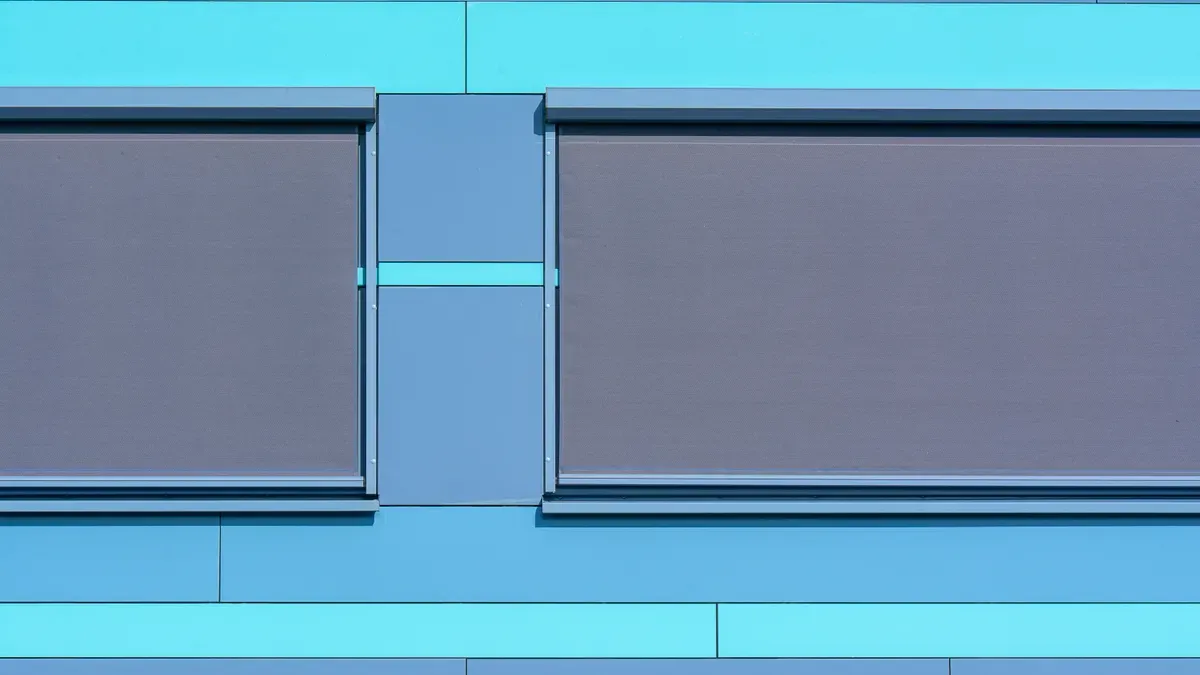
The market for window coverings offers several distinct categories of roller shades. Understanding these categories helps buyers navigate the landscape before selecting specific features. Each type serves a different purpose, from gentle light diffusion to complete darkness. The most common types of blinds fall into two broad groups: light-filtering options and room-darkening alternatives.
Sheer, Solar, and Light-Filtering Options
Sheer roller shades transmit approximately 10% visible light through their fabric. This openness level allows a clear view of objects and people beyond the shade while softening incoming sunlight. These shades suit living rooms and dining areas where homeowners want natural brightness without harsh glare. Sheer fabrics create an airy atmosphere that maintains a connection to the outdoors.
Solar shades take light management a step further. They diffuse direct sunlight, eliminating screen reflections on televisions and computers. Solar shades block up to 99% of harmful UV rays while preserving outside visibility. They also reduce solar heat gain, contributing to energy efficiency throughout warmer months. These roller screen shades work exceptionally well in sunrooms, home offices, and south-facing windows.
Light-filtering roller shades provide soft, diffused light while maintaining privacy. They do not block all light, so silhouettes may remain visible at night. For enhanced privacy and maximum light control, blackout roller shades offer an alternative. Light gaps on the sides of inside-mount shades can allow additional light, though optional light gap blockers address this issue. These light-filtering options represent the most popular choices for homeowners seeking balanced illumination.
Blackout, Woven, and Zebra Alternatives
Blackout roller shades block 85–100% of light through the fabric itself. With proper installation using sealed track systems, they achieve near-total darkness. Any remaining light typically comes from gaps around the edges rather than through the material. These shades provide an extra layer of privacy for bedrooms, nurseries, and media rooms. Thermal-backed blackout options feature special coatings that reflect heat and block UV rays. They reflect heat away from windows in summer and retain warmth during winter months. Roller shades offer R-values of 1.3 to 1.8 depending on fabric, reducing heat transfer and contributing to energy savings.
Woven shades made from natural materials add warmth and texture to any space. Handcrafted from organic materials like wood, reeds, grasses, and bamboo, these shades bring a natural touch. Handwoven designs capture organic imperfections, giving a custom, professional feel. They bridge bohemian and traditional styles, making them versatile for various decor. Unique weaves create depth and visual interest, adding sophistication to both modern and traditional interiors.
Zebra shades feature alternating sheer and solid fabric bands. Aligning the solid bands over one another allows the sheer bands to diffuse natural light while filtering the outside view. Shifting the solid bands so they overlap the sheer bands blocks the view from outside entirely. The shade can raise completely for a wide-open view, and the alternating bands allow varying dimensions of light. These modern roller shades offer exceptional flexibility for living spaces.
| Category | Type | Market Share |
|---|---|---|
| Material Type | Synthetic materials | 56% |
| End-User Segment | Residential users | 62% |
These figures confirm that synthetic materials dominate the market, with residential users representing the largest customer segment. Understanding these types of shades helps buyers match their needs to the right product. The roller shade styles described above cover the full spectrum of modern window treatments available today.
Key Features of Modern Roller Shades
Selecting the right roller screen blinds requires attention to several technical features that separate premium products from basic alternatives. These features determine how well the shades perform, how long they last, and how safely they operate in a home. Buyers should evaluate fabric quality, mounting style, and control mechanisms before making a purchase decision.
Fabric, Opacity, and Energy Efficiency
Fabric quality stands as the most critical factor in roller shade performance. High-quality materials use durable, fade-resistant fabrics such as vinyl or fabric blends that withstand sun exposure and repeated cleaning. Basic shades often employ cheap materials that degrade quickly under constant sunlight. Constant exposure to UV rays causes fabric degradation, leading to fading, yellowing, and brittleness. High-quality, UV-resistant fabrics significantly extend longevity, while poor-quality materials deteriorate rapidly.
The table below illustrates how different fabric types affect longevity and performance:
| Fabric Type | Effect on Longevity | Effect on Performance |
|---|---|---|
| Polyester & Synthetic Blends | High fade resistance, strong and stable; lasts many years with proper care. | Holds color well, resists wrinkling, easy to clean; versatile opacity levels. |
| Vinyl / Faux Leather | Maximum durability, waterproof, mold/mildew resistant; best for high-moisture areas. | Wipeable, sleek appearance; can feel utilitarian and less flexible in cold climates. |
| Natural Fibers (Linen, Cotton) | Delicate, prone to fading and water spots; requires gentle cleaning, shorter lifespan in direct sun. | Beautiful organic texture and light diffusion; high-end aesthetic but low practical ease. |
| Woven Wood (Bamboo, Grasses) | Moderate; sensitive to humidity, can warp; fragile slats. | Unique texture and dramatic light patterns; not suitable for high-humidity or active households. |
Proper maintenance directly extends the life of roller shades. High-quality fabrics can last 10–15 years with good care, while lower-quality materials may need replacement every 8–12 years. Fabric quality determines how well shades withstand cleaning and wear over time.
Opacity levels directly connect to energy efficiency. Blackout fabrics not only darken rooms but also keep them much cooler in warm months, leading to savings on cooling bills. Thermal shade fabric includes insulating layers that regulate indoor temperatures, minimizing heat gain in summer and heat loss in winter. Solar shade fabric reduces glare and heat; its openness factor (1%–10%) determines how much heat enters the room. A dual-roller option allows homeowners to pair a sheer fabric with a blackout fabric on one mounting system, providing maximum flexibility for changing needs throughout the day.
For premium fabric options, Unitec offers an exceptional roller blinds fabric collection. Series like DP26, DP25, and DP24 deliver excellent UV protection, durability, and style. These fabrics resist wear while maintaining vibrant colors and smooth texture. They are easy to clean and available in various colors and textures to match any décor. Homeowners can customize their shades with Unitec’s diverse range, ensuring a perfect fit for every room.
Mounting, Motorization, and Control Options
Mounting style affects both appearance and light control. Inside mounts fit within the window frame, creating a clean, built-in look with minimal light gaps when measured precisely. Outside mounts extend beyond the frame, covering the entire window opening and blocking more light from the edges. High-quality shades provide accurate inside/outside mount options with minimal light gaps due to precise measurements and better headrail design. Basic shades often have poor fit, leading to light leakage.
Control options range from manual cords to fully automated systems. High-quality shades feature cordless spring mechanisms, chain pulleys with smooth action, or motorized systems for easy and safe use. Basic shades rely on simple cords that can fray or become tangled. The safety landscape changed dramatically with the ANSI/WCMA A100.1 standard. New window treatments must be cordless or have completely inaccessible cords, effective June 1, 2024. Motorized roller shades eliminate all external operating mechanisms, removing strangulation hazards entirely. Cordless shades use a push-pull mechanism on the bottom rail, with inner lift cords fully enclosed.
Motorization offers significant convenience benefits. Users control shades via remote, smartphone app, voice command through Alexa or Google, and automated schedules. High or hard-to-reach windows adjust with one button, and shades stop at the exact same position every time for consistent styling. Battery-powered options last 3–5 years and install without an electrician. Smart home integration supports Matter, HomeKit, SmartThings, and other platforms. Voice assistants like Amazon Alexa, Google Assistant, and Apple Siri enable hands-free operation. Automated scenes such as “Good Morning” or “Movie Night” adjust shades based on time, light, or other triggers.
The cost difference between manual and motorized installations varies. Manual roller shades installed range from $250–$700 per window, while motorized versions range from $450–$1,100. The average difference is $200–$400 per window. This investment buys convenience, safety, and energy savings through scheduled automation. Modern roller shades with smart features represent the future of window treatments, offering both practical benefits and peace of mind for families with young children.
Choosing the right roller screen blinds balances each room’s function with personal style. Understanding shade types—sheer, blackout, solar—starts the process. Then selecting features like fabric, mounting, and motorization completes it. These modern options transform any space. Explore Unitec’s premium roller blinds fabrics collection for durable, stylish solutions. Their quality and customer satisfaction guarantee a perfect match for every home.
FAQ
Q What distinguishes solar from blackout options?
Solar shades diffuse sunlight and reduce glare while preserving outside views. Blackout options block 85–100% of light for total darkness and privacy.
Q Are motorized roller shades worth the investment?
Motorized options add $200–$400 per window but provide convenience, safety for children, and energy savings through automated scheduling.
Q How do I select the right shade for each room?
Match shade type to room function. Use sheer shades for living areas, blackout for bedrooms, and solar shades for sunrooms.