Light Filtering Fabric and Its Role in Home Comfort
Light filtering fabric allows sunlight to enter while reducing brightness and glare. This material creates a soft, comfortable atmosphere in any room. Window treatments like these help balance natural light and privacy. Some options block all light, while others, such as light filtering types, gently diffuse it.
Key Takeaways
- Light filtering fabric allows natural light to enter while reducing glare, creating a comfortable atmosphere in any room.
- These window treatments provide daytime privacy by blocking outside views, making them ideal for living spaces.
- Light filtering shades can help save energy by reducing heat gain, which lowers cooling costs and enhances home comfort.
How Light Filtering Fabric Works
What Is Light Filtering Fabric?
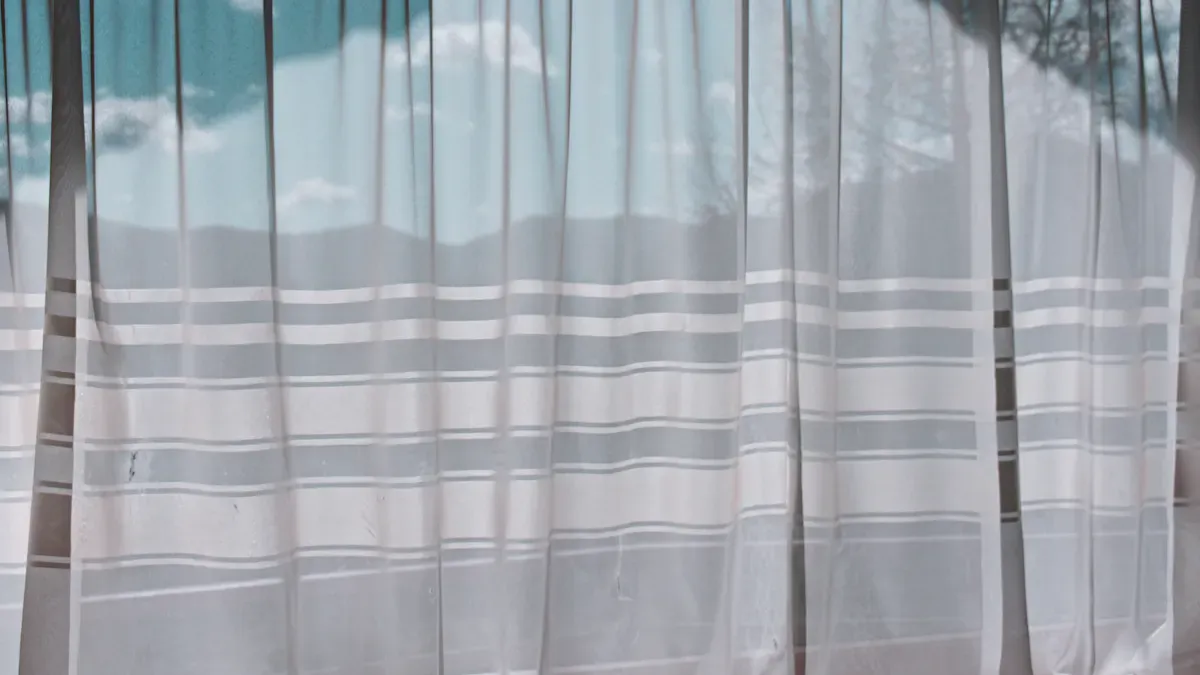
Light filtering fabric is a special material used in window treatments to manage how much sunlight enters a room. This fabric allows some light to pass through while blocking harsh rays. It creates a gentle, comfortable glow instead of sharp brightness. Different types of window coverings use this fabric to balance privacy and light.
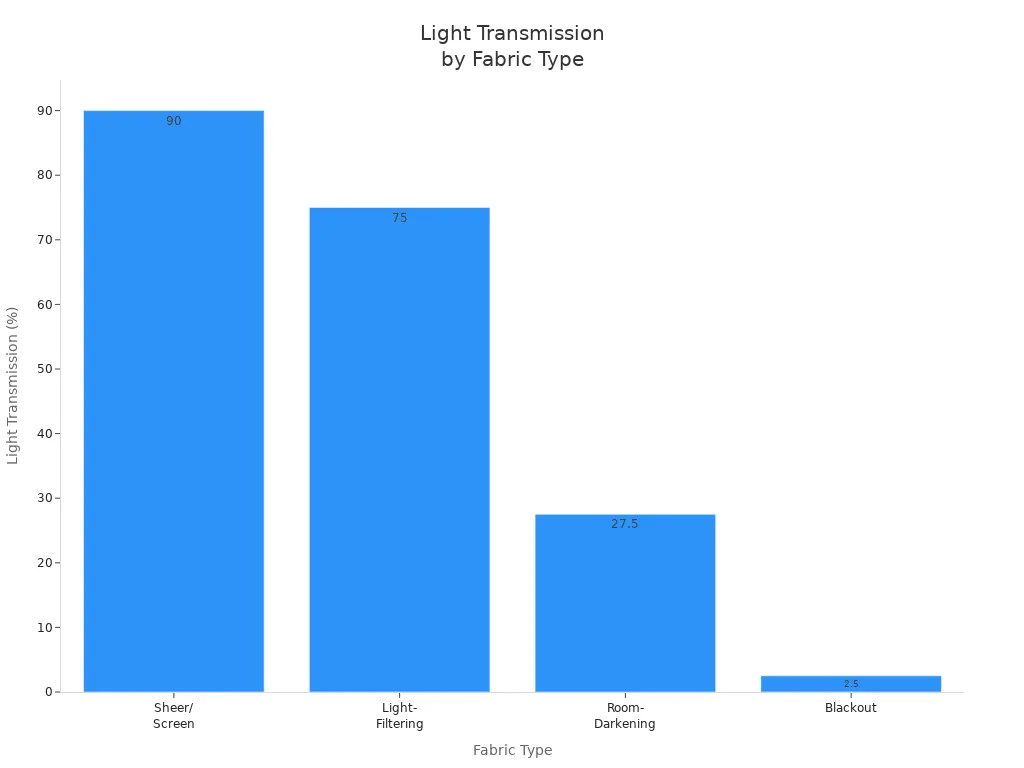
The materials and their structure affect how much light and privacy you get. Here is a table that compares common types of fabrics used in window treatments:
| Fabric Type | Opacity Level | Light Transmission | Privacy Level | Energy Impact | Best Applications |
|---|---|---|---|---|---|
| Sheer/Screen Fabrics | 5-15% | 85-95% | Minimal | 5-15% | Living rooms, sunrooms, home offices |
| Light-Filtering | 15-50% | 50-85% | Good | 15-25% | Kitchens, dining rooms, bedrooms |
| Room-Darkening | 50-95% | 5-50% | High | 25-40% | Bedrooms, nurseries, media rooms |
| Blackout | 95-100% | 0-5% | Maximum | 40-65% | Home theaters, bedrooms, shift worker accommodations |
The weave or structure of the fabric also plays a big role. Tightly woven fabrics and those with a low openness factor block more light and provide better privacy. Loose weaves let in more light but offer less privacy. Here is a quick look at how different weaves affect performance:
| Weave Type | Light Transmission | UV Protection | Privacy Level |
|---|---|---|---|
| Loose/Open Weave | High | Low | Low |
| Tightly Woven | Low | High | High |
| Low Openness Factor | Low | High | High |
| High Openness Factor | High | Low | Low |
How Light Filtering Shades Soften Light
Light-filtering shades work by spreading sunlight as it passes through the fabric. This process is similar to what happens in the sky. When sunlight hits small particles, it scatters in different directions. This effect, called Rayleigh scattering, makes the light softer and less harsh. The result is a room filled with gentle, even light instead of sharp beams.
- Automated window treatments can adjust shades based on sunlight. On bright days, shades lower to reduce direct sun. On cloudy days, they rise to let in more natural light.
- Light-filtering window treatments help create a cozy atmosphere. They make it easier to read, work, or relax without squinting.
Privacy and Glare Control
Light-filtering shades offer a good balance between privacy and brightness. During the day, these shades block outside views while still letting in daylight. Darker colors in the fabric can improve privacy even more. At night, privacy decreases if indoor lights are on, so it is important to consider your needs for each room.
These window treatments also help control glare, especially in living rooms with TVs or computer screens. The fabric diffuses incoming light, making it easier to see screens and reducing eye strain. Here is a summary of how light-filtering shades reduce glare:
| Glare reduction | Description |
|---|---|
| Excellent for tvs and monitors | Light-filtering shades diffuse incoming light, making them effective in reducing glare in living rooms. |
| Good; diffuses incoming light | They soften light and improve screen comfort while keeping interiors bright and inviting. |
Light filtering options provide warm, even illumination. They reduce harsh contrasts and help maintain a comfortable space for reading or working. These treatments also lower the need for artificial lighting during the day.
Home Comfort Benefits
Ambiance and Natural Light
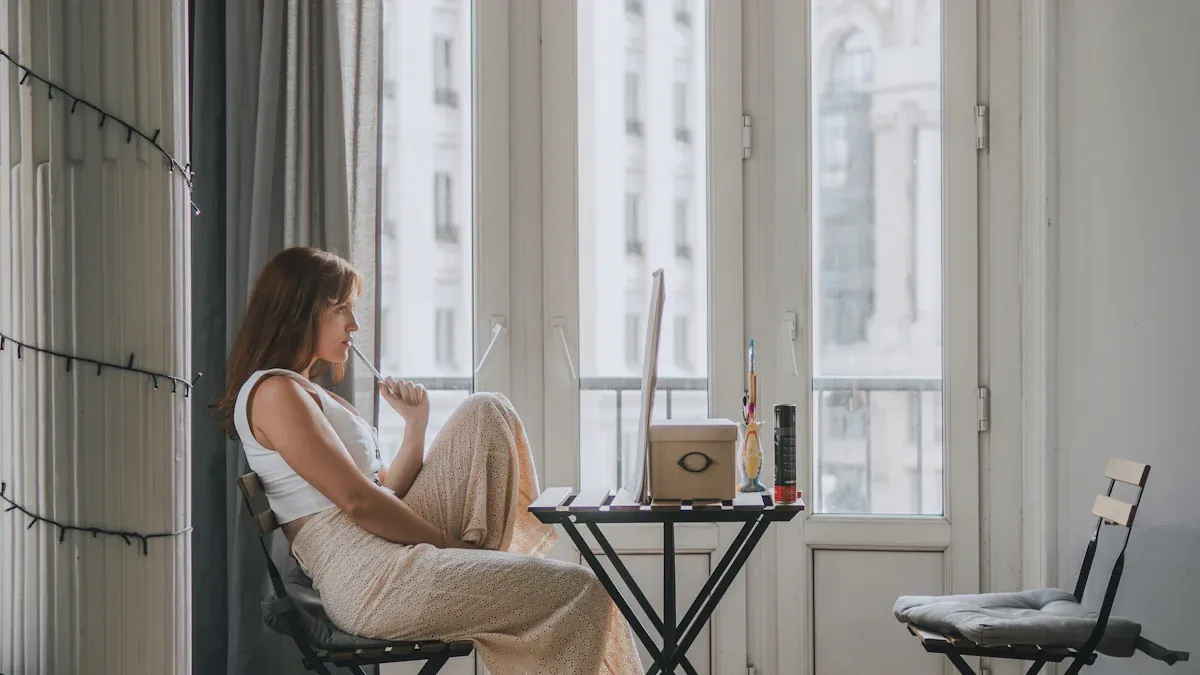
Light filtering fabric plays a key role in shaping the mood and feel of a room. Interior design studies show that these fabrics create a soft and warm ambiance, making any space more inviting. They gently filter light, casting a serene glow that can lift your spirits and help you relax. The versatility of light filtering fabric allows it to blend with many design styles, from modern to traditional, and helps foster a sense of harmony.
- Light filtering curtains create a soft and warm ambiance, enhancing the atmosphere of any room.
- They gently soften incoming light, casting a serene glow that elevates mood.
- Their versatility allows them to integrate into various design styles, fostering harmony and well-being.
Window coverings that filter light also control the amount and quality of natural light, which can affect your mood and overall well-being. Sheer curtains give living areas a gentle, open feeling. Light-filtering shades reduce glare while keeping rooms bright. Fabrics like soft, flowing curtains add calmness and elegance, making spaces feel larger. Color choices in these window treatments can also influence how you feel—warm neutrals promote relaxation, while cool tones help with focus.
Energy Efficiency
Light-filtering window treatments do more than just look good—they help save energy. By blocking some of the sun’s heat, these window coverings can keep rooms cooler in summer. This means your air conditioner does not have to work as hard, which can lower your energy bills. Studies show that light-filtering shades can reduce solar heat gain by 15-25% and cut cooling costs by 15-20%.
| Benefit | Percentage Reduction |
|---|---|
| Solar heat gain reduction | 15-25% |
| Cooling costs reduction | 15-20% |
These window treatments also help eliminate glare, so you use less artificial lighting during the day. They block harmful UV rays, which prevents furniture from fading and reduces heat buildup. While blackout fabrics provide even greater insulation, light filtering options still offer significant energy savings for most homes.
Daytime and Nighttime Privacy
Privacy is a top concern for many people when selecting window treatments. Light-filtering shades provide excellent daytime privacy. During the day, they block outside views while still letting in natural light. This makes them ideal for rooms where you want to enjoy sunlight without feeling exposed.
| Time of Day | Privacy Level | Description |
|---|---|---|
| Day | High | Light filtering fabrics block outside views while allowing natural light to enter. |
| Night | Low | Interior lighting can make the fabric transparent, allowing visibility into the home. |
At night, the situation changes. When indoor lights are on, the fabric can become semi-transparent. This means shapes and shadows may be visible from outside, a phenomenon sometimes called the “fishbowl effect.” The effectiveness of light-filtering shades for privacy drops after sunset, so you may want to pair them with other window coverings or use them in rooms where nighttime privacy is less important.
- Light-filtering shades do not provide full privacy at night when indoor lights are on.
- Shapes and shadows may be visible from outside due to the semi-transparent nature of the fabric after dark.
- The effectiveness of these treatments for privacy diminishes at sunset when indoor lights are turned on.
Light filtering fabric offers a smart balance between enjoying daylight and maintaining daytime privacy. For bedrooms or bathrooms, consider layering with other window treatments to ensure nighttime privacy.
Choosing Light Filtering Shades
Light Filtering vs. Blackout Fabrics
When comparing light filtering vs blackout window treatments, it helps to look at their main features side by side:
| Feature | Light Filtering Fabrics | Blackout Fabrics |
|---|---|---|
| Light Control | Allows diffused light, brightening the room | Completely blocks light, creating darkness |
| Privacy | Maintains some privacy, silhouettes visible at night | Provides complete privacy, no visibility |
| UV Protection | Protects against UV rays while allowing light | Blocks UV rays completely |
| Best Use Cases | Living spaces, offices | Bedrooms, media rooms, nurseries |
Light filtering shades let natural light pass, creating a bright and welcoming space. Blackout options, such as UNITEC’s Roller Blinds Fabric, block nearly all external light and offer excellent privacy—ideal for bedrooms or media rooms.
Best Rooms for Light-Filtering Shades
Light filtering window treatments work best in rooms where you want both daylight and privacy. Living rooms, family rooms, and offices benefit from these styles, as they filter light and reduce glare on screens. Bedrooms may use light filtering options for a gentle wake-up, but blackout window coverings are better if complete darkness is needed for sleep or nighttime privacy is a concern.
Cost and Maintenance
The average cost for light filtering shades ranges from $72 to $350, while blackout shades range from $82 to $400. Light filtering fabrics require minimal upkeep—just dust or vacuum lightly. These window coverings also help lower cooling costs and support green building goals. Many light filtering and blackout collections meet international safety standards, making them a smart choice for eco-friendly homes.
Light filtering fabric improves home comfort by reducing glare and blocking UV rays, as shown below:
| Benefit | Description |
|---|---|
| Glare Reduction | Minimizes screen glare without darkening rooms. |
| UV Protection | Shields furniture and flooring from sun damage. |
Choosing the right window treatments for each window helps balance privacy, energy savings, and style.
FAQ
What is the difference between light filtering and blackout fabrics?
Light filtering fabrics let in soft daylight and offer privacy. Blackout fabrics block almost all light and provide maximum privacy. Each works best in different rooms.
Are light filtering shades energy efficient?
Yes. Light filtering shades help reduce heat gain and lower cooling costs. They also protect furniture from fading by blocking harmful UV rays.
How do I clean light filtering window treatments?
Most light filtering shades need only light dusting or gentle vacuuming. Always check the manufacturer’s care instructions for best results.