Polyester Blinds vs Fiberglass Blinds Which Is the Best Choice

Selecting between polyester blinds and fiberglass blinds depends on what matters most to each buyer. Recent surveys show consumers focus on durability, moisture resistance, UV protection, light control, and maintenance.
| Factor | Polyester Blinds | Fiberglass Blinds |
|---|---|---|
| Durability | Strong, wrinkle resistant | Resistant to warping and fading |
| Moisture Resistance | Good | Excellent |
| UV Protection | Better filtration | Excellent |
| Light Control | Tighter weave | Good |
| Maintenance | Easy to clean | Easy to clean |
This practical comparison helps individuals choose blinds that suit their space and lifestyle.
Durability and Strength
Polyester Blinds Durability
Polyester blinds offer impressive durability for everyday use. Laboratory tests show that polyester has a tensile strength between 40 and 100 MPa, which makes it strong enough for most window applications. These blinds resist wrinkles and maintain their shape well. Many manufacturers add PVC coatings to polyester blinds, making them flexible, waterproof, and highly resistant to UV rays. This coating helps the blinds last longer in outdoor settings and protects them from fading.
Polyester blinds perform well in climates with changing temperatures and humidity. They dry quickly after exposure to moisture and resist mold growth. Their flame-retardant qualities add another layer of safety. Synthetic materials like polyester are engineered to withstand harsh sunlight, so these blinds rarely fade or degrade from UV exposure. Homeowners in areas with unpredictable weather patterns often choose polyester blinds for their balance of strength and quick-drying capability.
Fiberglass Blinds Durability
Fiberglass blinds stand out for their dimensional stability and resistance to warping. Glass fiber-reinforced polymer (GFRP) blinds have a tensile strength ranging from 500 to 900 MPa, making them several times stronger than steel pound-for-pound. These blinds hold their shape under heat and do not bend easily. Fiberglass also has a higher melting point than polyester, which means it performs better in extreme temperatures.
| Material Type | Tensile Strength (MPa) | Advantages | Disadvantages |
|---|---|---|---|
| Polyester | 40–100 | Low cost, good chemical resistance | Lower mechanical strength |
| GFRP | 500–900 | High strength, corrosion resistance | Heavier, more expensive |
Fiberglass blinds resist warping and fading, even after years of sun exposure. Their flame resistance makes them a safe choice for kitchens and other high-heat areas. While polyester blinds offer higher flexibility, fiberglass blinds provide better dimensional stability and long-term durability.
Appearance and Style
Polyester Blinds Style
Polyester blinds offer a wide range of design possibilities. Designers and homeowners often choose these blinds for their versatility. The growing popularity of polyester folding screens in interior design shows a strong trend toward multifunctional decor. These blinds fit well in both minimalist and vibrant spaces. Their lightweight construction allows easy installation and movement. Many people appreciate the ability to customize polyester blinds to match different room themes.
Customization options for polyester blinds include various fabrics and patterns. The table below highlights some popular choices:
| Category | Options |
|---|---|
| Fabric Choices | Cotton & linen, Silk & faux silk, Polyester blends, Blackout lining, Thermal lining |
| Popular Patterns | Stripes, Floral prints, Geometrics, Solid colors |
These options give designers flexibility to create unique looks. Polyester blinds also come in finishes that mimic natural materials, such as wood or silk. This feature helps homeowners achieve a high-end appearance without the cost of luxury materials.
Fiberglass Blinds Style
Fiberglass blinds present a sleek and modern look. Their smooth surface and clean lines suit contemporary spaces. Manufacturers often produce fiberglass blinds in neutral colors, which complement most interior palettes. These blinds maintain their shape and color over time, even in rooms with strong sunlight.
Homeowners who prefer a subtle style often select fiberglass blinds. The material supports simple designs, making it ideal for offices or minimalist homes. While fiberglass blinds offer fewer pattern choices than polyester blinds, their understated elegance appeals to those who value durability and a timeless appearance.
Maintenance and Cleaning
Polyester Blinds Maintenance
Polyester blinds require regular attention to maintain their appearance. Many homeowners clean these blinds every three to six months. In dusty or coastal climates, more frequent cleaning helps prevent buildup. Dust can dull the look of polyester blinds, so a routine cleaning schedule is important. Moisture damage sometimes occurs in kitchens and bathrooms, where residue may develop. Fabric blinds need gentle care, since harsh cleaning methods can cause damage.
Manufacturers recommend several cleaning methods:
· Use a mixture of warm water and mild dish soap for general cleaning.
· For tougher stains, try a fabric cleaner designed for synthetic material.
· Always test any cleaning solution on a hidden area first.
Vacuuming with a soft brush attachment removes dust without harming the material. Spot cleaning works well for small stains. Avoid soaking the blinds, as excess water can weaken the fibers.
Fiberglass Blinds Maintenance
Fiberglass blinds offer easy maintenance and resist most stains. Cleaning every three to six months keeps them looking new. Their smooth surface allows dust to be wiped away with a damp cloth. Most homeowners find that fiberglass blinds do not require special cleaners. A mild soap solution removes dirt without damaging the material.
Fiberglass resists moisture and does not absorb odors, making it suitable for kitchens and bathrooms. The material’s durability means that regular cleaning maintains its appearance for years. Simple care routines help prevent discoloration and keep the blinds functioning well.
Environmental Impact
Polyester Blinds Sustainability
Polyester blinds have a notable environmental footprint. Manufacturers often use energy-intensive processes to produce conventional polyester. This method relies on synthetic materials that can harm the environment. Some companies now offer eco-friendly options by using recycled polyester. Recycled polyester transforms plastic waste into usable fabric. This process reduces landfill waste and lowers the demand for new raw materials. As a result, the carbon emissions from production decrease.
· Conventional textile production uses large amounts of energy.
· Synthetic materials may contribute to pollution.
· Recycled polyester helps reduce landfill waste.
· Using recycled materials lowers carbon emissions.
Many designers choose recycled polyester for window treatments. This choice supports sustainability and helps limit the impact on the planet. By selecting blinds made from recycled polyester, homeowners can contribute to a cleaner environment.
Fiberglass Blinds Sustainability
Fiberglass blinds offer a different sustainability profile. The production of fiberglass involves melting glass and combining it with resins. This process requires significant energy and may release emissions. Fiberglass does not biodegrade, so disposal can present challenges. However, fiberglass blinds last for many years, which reduces the need for frequent replacements. Their durability means less waste over time.
Some manufacturers recycle fiberglass scraps during production. This practice helps minimize waste. Fiberglass blinds do not contain harmful chemicals, making them safe for indoor air quality. Homeowners who value long-lasting products may see fiberglass blinds as a sustainable choice due to their extended lifespan.
Cost and Value
Polyester Blinds Cost
Polyester blinds usually offer a lower upfront cost compared to fiberglass blinds. Many homeowners choose polyester for its affordability and wide availability. Prices for polyester blinds often range from $30 to $80 per window, depending on size and style. The material’s lightweight nature and simple installation help keep labor costs down. Polyester blinds require regular cleaning and may need replacement more often than fiberglass, especially in high-traffic areas. Over time, maintenance and replacement can add to the total cost of ownership. Standard polyester blinds may not last as long as custom options, so buyers should consider both initial price and expected lifespan.
Fiberglass Blinds Cost
Fiberglass blinds typically cost more at the time of purchase. The higher price reflects the material’s strength, tight weaving technique, and superior resistance to moisture, chemicals, and UV rays. These features make fiberglass ideal for demanding environments. The table below shows estimated costs for fiberglass window treatments:
| Window Type | Material Cost Only | Total with Installation |
|---|---|---|
| Single-pane | $250 – $460 | $350 – $760 |
| Double-pane | $380 – $690 | $480 – $990 |
| Low-E Glass | $580 – $2,050 | $680 – $2,850 |
Fiberglass blinds offer long-term value due to their durability and low maintenance needs. Owners often replace them less frequently than polyester blinds. Energy-efficient fiberglass windows can reduce annual energy bills by $126–$465, which helps offset the initial investment. The return on investment for fiberglass window upgrades remains strong, often reaching 70–80%. Buyers who prioritize longevity and energy savings may find fiberglass blinds a smart investment.
Factors that contribute to the higher cost of fiberglass blinds include:
· Material composition and strength
· Environmental resistance
· Advanced weaving techniques
Choosing the Right Blinds
Best for Durability
Durability matters most in busy homes, offices, and spaces with frequent use. Fiberglass blinds stand out for their impressive strength and resistance to warping. They keep their shape even in high temperatures and do not fade easily. Polyester blinds also offer good durability, especially when treated with UV-resistant coatings. However, experts often recommend synthetic materials like vinyl, aluminum, and treated fabrics for the toughest environments. These materials resist moisture and require little maintenance.
· Synthetic blinds such as vinyl and aluminum perform well in high-traffic areas.
· Aluminum blinds with powder coating show no degradation in damp spaces.
· Faux wood blinds resist fading and warping, making them suitable for kitchens.
Fiberglass blinds provide excellent dimensional stability and flame resistance. Polyester blinds deliver flexibility and quick drying. For demanding environments, fiberglass and other synthetic options offer the best durability.
Best for Style
Style plays a key role in creating a comfortable and attractive space. Polyester blinds offer a wide range of colors, patterns, and finishes. Designers choose polyester for its versatility and ability to mimic natural materials like wood or silk. Homeowners can select bold prints or subtle shades to match any room.
Fiberglass blinds present a sleek and modern look. Their smooth surface and neutral colors suit minimalist and contemporary interiors. While fiberglass blinds offer fewer pattern choices, they maintain their shape and color over time.
Best for Easy Care
Easy maintenance saves time and effort. Fiberglass blinds resist stains and moisture, making cleaning simple. A damp cloth removes dust and dirt without special cleaners. Polyester blinds also clean easily with mild soap and water, but they may need more frequent attention in dusty or humid environments.
Consumer reviews rate faux wood and cellular blinds highest for low maintenance. These blinds resist warping and fading, and they require minimal upkeep.
· Faux wood blinds stay clean with basic dusting.
· Cellular blinds offer a cost-effective, easy-care solution.
Fiberglass blinds provide the best combination of durability and easy cleaning. Polyester blinds work well for those who prefer fabric options but are willing to clean them regularly.
Best for Eco-Friendliness
Eco-friendly choices help protect the environment. Polyester blinds made from recycled materials reduce landfill waste and lower carbon emissions. Many polyester blinds carry Oeko-Tex 100 certification, which means they are free of harmful substances. Fiberglass blinds claim no VOCs, but specific certifications are less common.
| Type of Blinds | Certification/Properties |
|---|---|
| Polyester Blinds | Oeko-Tex 100 certified (free of harmful substances) |
| Fiberglass Blinds | Claims of no VOCs, but specific certifications not detailed |
Homeowners who value sustainability should look for recycled polyester blinds with third-party certifications. Fiberglass blinds last longer, which reduces waste, but their production uses more energy.
Best for Budget
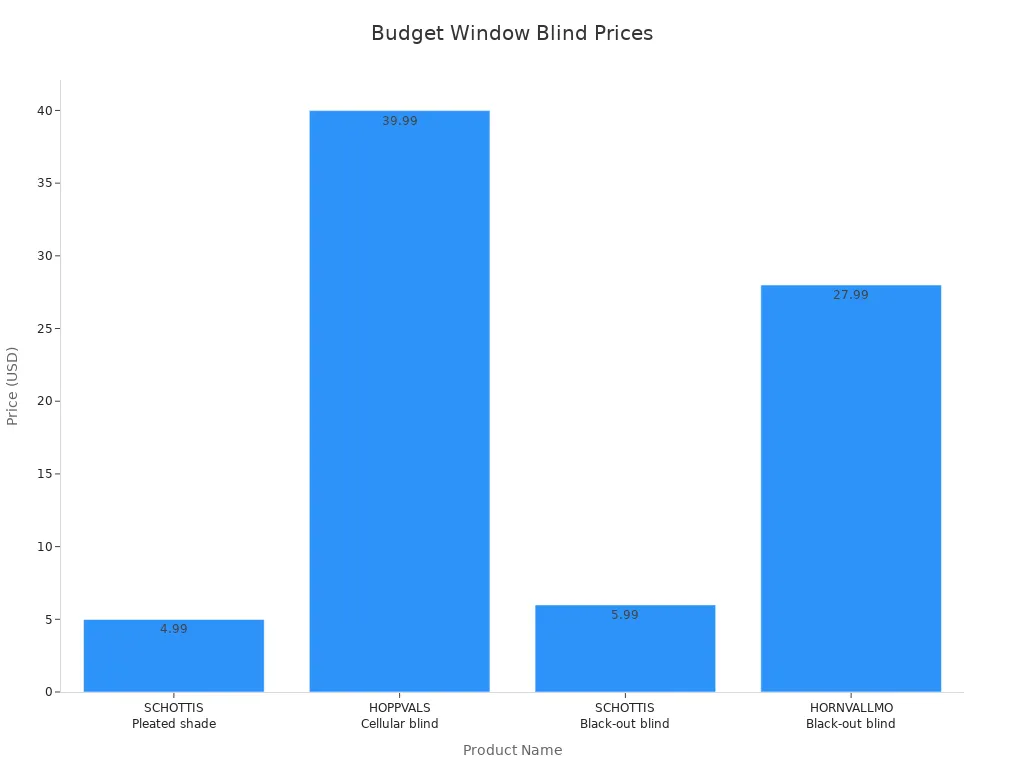
Budget-friendly blinds offer quality without high costs. Polyester blinds usually cost less upfront and provide many style options. Fiberglass blinds cost more but last longer and may save money over time. Some pleated and cellular blinds offer excellent value for those who want affordable solutions.
| Product Name | Description | Price |
|---|---|---|
| SCHOTTIS Pleated shade, white, 35 ½x74 ¾ “ | Affordable pleated shade option | $4.99 |
| HOPPVALS Cellular blind, white, 34×64 “ | Insulating cellular blind | $39.99 |
| SCHOTTIS Black-out pleated blind, dark gray, 39 ¼x74 ¾ “ | Black-out option for privacy | $5.99 |
| HORNVALLMO Black-out pleated blind, white/top-down bottom-up, 34×51 ¼ “ | Versatile black-out blind | $27.99 (30% off) |
FAQ
Are polyester blinds safe for kitchens and bathrooms?
Polyester blinds resist moisture and dry quickly. They work well in kitchens and bathrooms. Flame-retardant coatings add extra safety.
Do fiberglass blinds block sunlight effectively?
Fiberglass blinds provide strong UV protection. They block sunlight and help keep rooms cooler. Neutral colors also reduce glare.
Which blinds are easier to install?
Polyester blinds have lightweight construction. Most people install them without professional help. Fiberglass blinds may need expert installation due to their heavier material.