What is the best fabric for roller blinds?
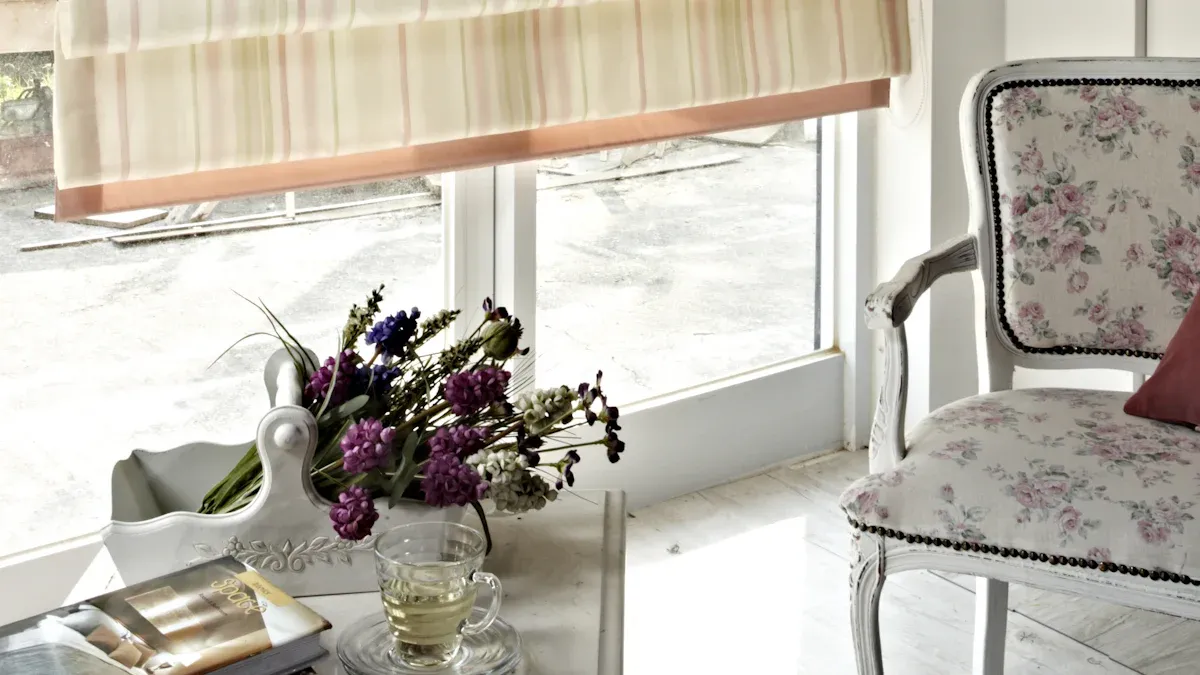
UNITEC stands as a leader in roller blinds fabric, known for its advanced manufacturing and strict quality standards. Customers value durability, UV protection, waterproofness, thermal insulation, and customization when selecting window coverings. UNITEC’s products meet these demands and hold certifications for toxicity control, environmental protection, and fire safety.
| Certification | Description |
|---|---|
| Toxicity Control | Meets low chemical emissions, certified by GREENWARD Environmental Research. |
| Environmental Protection | Low-carbon and recyclable, verified by Oeko-Tex. |
| Fire Safety | Complies with NFPA 701 for fire resistance. |
Key Takeaways
- Choose roller blinds fabric based on durability, UV protection, waterproofness, and thermal insulation to meet your specific needs.
- Consider customization options to match your roller blinds with your room’s decor, including colors, patterns, and motorized features.
- Regular maintenance, such as vacuuming and gentle cleaning, helps extend the life of your roller blinds and keeps them looking new.
- Select the right fabric type for different environments; for example, PVC is ideal for humid areas, while polyester offers affordability and durability.
Roller Blinds Fabric: Key Criteria
Durability
Durability matters when choosing roller blinds fabric. Strong materials last longer and resist daily wear. UNITEC uses advanced manufacturing to create fabrics that meet high standards. Their products show excellent thickness and weight compared to industry averages.
| Feature | UNITEC Roller Blinds Fabric | Industry Average |
|---|---|---|
| Thickness | 0.42mm (PVC), 0.39mm (T-PVC) | 0.35mm – 0.45mm |
| Weight | 550±5% g/m² (PVC) | 400g/m² – 500g/m² |
| Fireproof | Yes | Not always guaranteed |
These qualities help the fabric stay strong and reliable for years.
UV Protection
UV protection keeps rooms cooler and protects furniture from fading. High-quality roller blinds fabric blocks harmful rays. Laboratory tests measure UV transmittance and assign a UPF rating.
| Testing Condition | Description |
|---|---|
| New Material | Material’s UV transmittance measured at several points over 1 m² area |
| Stretched | UV protection factor determined on random samples of the material |
| Wetted | UV protection factor determined on random samples of the material |
| Weathered State | Remaining samples are weathered then measured |
| UPF Rating | The lowest determined value in the worst-case scenario, certification granted to the lowest UPF ≥ 10 |
UNITEC’s fabrics meet strict standards for UV protection, helping to create a safer indoor environment.
Waterproofness
Waterproof roller blinds fabric works well in kitchens, bathrooms, and other humid spaces. UNITEC’s products offer reliable waterproof performance. They also resist bacteria and do not contain heavy metals or formaldehyde. This makes them safe and easy to clean.
Thermal Insulation
Thermal insulation helps control room temperature. Most roller blinds fabric provides light control, with some insulation benefits. The R-value for these fabrics ranges from R-0 to R-1.0. This means they help reduce heat but do not replace other insulation.
- R-value for Venetian/Roller Blinds: R-0 to R-1.0
- Main function is light control
Customization Options
Customization lets people match blinds to their style and needs. Many customers want unique patterns, textures, and colors. There is also a growing interest in motorized blinds with remote control and timer settings. UNITEC offers a wide range of choices, making it easy to find the right look and features for any space.
Note: UNITEC’s certifications from SGS, INTERTEK, and Oeko-tex show their commitment to quality, safety, and environmental responsibility.
Comparing Roller Blinds Fabric Types
Choosing the right roller blinds fabric depends on understanding the strengths and limitations of each material. UNITEC offers a wide selection, allowing customers to match their needs with the best option.
Polyester
Polyester leads the market for roller blinds fabric. Its popularity comes from affordability, durability, and versatility. In 2024, polyester is expected to generate USD 6.5 billion in revenue. Many homeowners prefer polyester because it resists fading and stretching.
- Low cost
- High durability
- Easy to clean
- Wide range of colors and patterns
PVC (Vinyl)
PVC, also known as vinyl, provides excellent waterproof qualities. Many kitchens and bathrooms use PVC blinds for their moisture resistance. Some customers mention that PVC does not offer the warmth of natural materials. PVC blinds can be heavier, which may make them harder to operate on large windows. Over time, sunlight exposure may cause discoloration.
- Waterproof
- Strong and long-lasting
- Easy to wipe clean
- May lack natural look
- Heavier than other options
Cotton
Cotton gives a soft, natural appearance. Many people choose cotton for its comfort and breathability. Cotton roller blinds require more care to prevent damage from sunlight or moisture. Synthetic fabrics are easier to maintain.
- Natural feel
- Breathable
- Needs careful cleaning
- Prone to fading and moisture damage
Linen
Linen stands out for its durability and elegant look. Linen comes from flax plants and often uses sustainable farming methods. This makes linen a more environmentally friendly choice. Linen offers a unique texture and style for living spaces.
Linen production uses less water and fewer chemicals when grown sustainably, making it a greener option.
Blended Fabrics
Blended roller blinds fabrics combine fibers like fiberglass and polyester. Manufacturers blend these materials in specific ratios to balance strength, transparency, and weather resistance. Coating treatments improve UV protection and durability.
- Combines strengths of multiple fibers
- Enhanced UV and weather resistance
- Customizable transparency and texture
| Fabric Type | Durability | Maintenance | Waterproof | UV Protection | Style Variety |
|---|---|---|---|---|---|
| Polyester | High | Easy | Moderate | Good | Wide |
| PVC (Vinyl) | High | Easy | Excellent | Good | Moderate |
| Cotton | Moderate | Careful | Low | Moderate | Wide |
| Linen | High | Moderate | Low | Good | Elegant |
| Blended | High | Easy | Good | Excellent | Customizable |
Fabric Pros and Cons
Polyester: Pros & Cons
Polyester remains a popular choice for roller blinds fabric due to its durability and affordability. Many homeowners appreciate its resistance to fading and ease of cleaning. However, industry experts highlight several drawbacks:
- Light gaps on the sides of the fabric can prevent a true blackout experience.
- Standard chain controls may look dated and pose safety risks.
- Manual clutch mechanisms can wear out, and cheap plastic chains may break.
- Fabric edges sometimes fray over time.
Polyester suits most rooms but may require upgrades for complete blackout or enhanced safety.
PVC (Vinyl): Pros & Cons
PVC (vinyl) roller blinds offer excellent waterproof qualities and strong durability. Vinyl shades cost less than fabric options, making them ideal for large projects or homes with many windows. The manufacturing process is straightforward, which helps keep prices low. Vinyl stands out for its longevity, especially in high-moisture areas, while standard polyester may need special treatment to perform as well.
Cotton: Pros & Cons
Cotton roller blinds provide a soft, natural look and work well for allergy sufferers. The tight weave of cotton twill allows for hot laundering, which kills dust mites. Cotton is easy to clean and can be treated with anti-mite properties. Regular cleaning helps keep allergens away, and the breathable material supports air circulation.
| Benefit | Description |
|---|---|
| Easy to Clean | Reduces dust accumulation and supports allergy management. |
| Anti-Mite Treatment | Prevents dust mite growth when treated. |
| Breathable Material | Helps with air circulation in the room. |
Cotton absorbs moisture, so treatment is necessary to prevent dust mite harboring.
Linen: Pros & Cons
Linen stands out for its elegant appearance and breathability. The fabric allows air to circulate, which helps prevent moisture buildup. Linen absorbs humidity but dries quickly, reducing the risk of mold. High-quality linen maintains its shape and texture in humid conditions. However, linen can be susceptible to mold and mildew in extremely humid environments. Maintenance, such as frequent washing or airing out, helps prevent moisture buildup. Prolonged dampness may weaken the fibers.
Blended: Pros & Cons
Blended roller blinds fabric combines fibers like polyester and fiberglass to balance strength, transparency, and weather resistance. These blends offer enhanced UV protection and durability. Manufacturers can customize the transparency and texture, making blended fabrics suitable for various styles and needs. Blended options often provide the best mix of performance and appearance for modern spaces.
Best Fabrics by Need
Selecting the right roller blinds fabric depends on the specific requirements of each space. UNITEC offers a diverse range of certified fabrics, ensuring every customer finds the ideal solution for durability, protection, and style.
High Durability
Customers seeking long-lasting window coverings often choose fabrics engineered for strength and resilience. UNITEC’s blended fabrics, such as those combining polyester and PVC, deliver robust performance in high-traffic areas. These materials resist abrasion and maintain their appearance over time. Purishade® stands out for its abrasion resistance and high breathability, making it suitable for both residential and commercial environments.
Tip: For spaces with frequent use, select fabrics with reinforced edges and advanced coatings to extend lifespan.
UV Protection
Protecting interiors from harmful sunlight is essential for preserving furniture and maintaining comfort. UNITEC’s Solar Screen and SunTex fabrics offer superior UV blocking capabilities. SunTex fabric blocks up to 90% of UV rays, making it ideal for rooms exposed to intense sunlight. Solar Screen fabric filters sunlight while allowing outdoor views, balancing protection and aesthetics.
| Fabric Name | UV Protection | Additional Features |
|---|---|---|
| SunTex | Up to 90% | Durable, ideal for sunny patios |
| Solar Screen | High | Maintains outdoor visibility |
| Purishade® | High | Abrasion resistant, breathable |
Waterproof
Moisture-prone areas require roller blinds fabrics that resist water and prevent mold growth. UNITEC’s Purishade® and Clear® fabrics have received waterproof certification from recognized industry organizations. These options suit kitchens, bathrooms, and outdoor spaces where humidity is a concern.
| Fabric Name | Waterproof | Additional Features |
|---|---|---|
| Purishade® | Yes | High breathability, abrasion resistance, eco-friendly |
| Clear® | Yes | Weatherproof, UV resistant, excellent thermal insulation |
Thermal Insulation
Energy-efficient window coverings help regulate indoor temperatures and lower utility costs. Honeycomb and cellular shades provide top insulation performance, trapping air within their structure. Roman shades and shutters also offer good insulation, while Venetian blinds perform at a lower level. UNITEC’s Clear® fabric enhances thermal insulation, making it a smart choice for energy-conscious homes.
| Type of Blinds | Insulation Performance |
|---|---|
| Honeycomb/Cellular Shades | Top Performer |
| Roman Shades & Shutters | Good Performer |
| Venetian Blinds | Lower Performer |
Outdoor Use
Outdoor environments demand fabrics that withstand extreme weather and sunlight. UNITEC recommends Purishade®, Braidd5®, and Clear® for outdoor roller blinds. These fabrics combine waterproof properties, UV protection, and abrasion resistance. SunTex and Solar Screen fabrics also excel outdoors, blocking UV rays and filtering sunlight while maintaining style.
- SunTex Fabric: Blocks up to 90% of UV rays, durable for patios.
- Solar Screen Fabric: Filters sunlight, allows outdoor views.
- Acrylic Fabric: Water-resistant, stylish, excellent UV protection.
| Fabric | Key Features |
|---|---|
| Purishade® | Waterproof, high breathability, abrasion resistance, UV protection. |
| Braidd5® | Breathable, elegant, robust, made of polyester and PVC. |
| Clear® | Transparent, lightweight, weatherproof, UV resistant, excellent thermal insulation. |
Indoor Use
Residential settings benefit from fabrics that balance privacy, light control, and style. UNITEC’s sunscreen fabrics filter sunlight and glare, creating a comfortable atmosphere. Blackout fabrics block all light, providing total privacy for bedrooms and bathrooms. Translucent fabrics offer varying degrees of transparency, allowing some view while maintaining privacy. Eco-friendly fabrics made from natural materials like wood and bamboo add insulation and sustainability. Synthetic fabrics, often made from polyester, enhance durability and quality.
- Sunscreen fabrics: Filter sunlight and glare, allow natural light.
- Blackout fabrics: Block all light, ideal for bedrooms and bathrooms.
- Translucent fabrics: Provide privacy with some outdoor view.
- Eco-friendly fabrics: Made from wood or bamboo, offer insulation.
- Synthetic fabrics: Durable, often polyester, suitable for most rooms.
Customization options from UNITEC include a wide selection of colors, patterns, and textures. Customers can personalize their roller blinds to match any décor, with choices ranging from motorized systems to eco-friendly materials.
Choosing Your Roller Blinds Fabric
Assessing Room Needs
Selecting the right roller blinds fabric starts with understanding the unique requirements of each room. Different spaces call for different features. The following table outlines key factors to consider:
| Factor | Description |
|---|---|
| Aesthetics | The fabric should complement existing decor and the desired style of the room. |
| Light Control | Consider fabric options that provide filtering or blackout capabilities for managing natural light. |
| Durability | Choose fabrics designed for high-traffic areas that resist fading and disintegration over time. |
| Maintenance | Consider cleaning requirements, as large windows can collect dust and dirt that needs regular attention. |
Homeowners often match color and pattern to their decor. Neutral tones blend in, while bold colors make a statement. Texture also plays a role. Smooth fabrics create a modern look. Textured fabrics add warmth and comfort. Living rooms benefit from light-filtering or sheer fabrics for brightness and privacy. Bedrooms need room-darkening fabrics to block light. Kitchens require light-filtering fabrics to protect against heat and allow natural light. Home offices use sheer or light-filtering fabrics to reduce glare.
Matching Style & Function
Balancing style and function ensures satisfaction with roller blinds. People should first identify their main priorities, such as privacy, light control, or energy efficiency. They can choose from blackout, light-filtering, or solar screen fabrics based on these needs. Matching the fabric’s color, texture, and pattern to the room’s decor creates a cohesive look. Durability and ease of cleaning are important, especially in busy areas. Light and opacity ratings help balance natural light and privacy. Testing fabric samples at home shows how they perform under different lighting. Consulting with a window treatment professional provides expert guidance.
Tip: Always test fabric samples in the actual room to see how they look and function throughout the day.
Maintenance Tips
Proper care extends the life of roller blinds fabric. Regular dusting with a vacuum cleaner using an upholstery or soft brush attachment keeps shades clean. Gently wipe each side with a soft cloth when the shade is fully lowered. For deeper cleaning, use a microfiber cloth. Avoid harsh chemicals and keep water away from motorized parts.
- Vacuum every two weeks with a soft brush.
- Wipe with a soft cloth for routine cleaning.
- Use microfiber cloths for deeper cleaning.
- Avoid harsh chemicals and water near motors.
Consistent maintenance keeps roller blinds looking new and functioning well for years.
UNITEC offers top-quality roller blinds fabrics that meet high standards for durability, UV protection, waterproofness, and style. The comparison of fabric types helps readers choose the best option for their space. Each room has unique needs, so selecting the right fabric matters. UNITEC provides many choices and customization options.
Explore UNITEC’s product range to find the perfect roller blinds fabric for any home or business. Their team stands ready to help with expert advice and tailored solutions.
FAQ
What is the most durable fabric for roller blinds?
Blended fabrics, such as polyester mixed with PVC, offer high durability. These materials resist wear and maintain their appearance over time. UNITEC’s blended options provide excellent strength for both homes and businesses.
How do roller blinds fabrics block UV rays?
Special coatings and dense weaves help fabrics block UV rays. UNITEC’s Solar Screen and SunTex fabrics use advanced technology to reduce harmful sunlight. These options protect interiors and help maintain comfortable temperatures.
Can roller blinds fabrics be cleaned easily?
Most roller blinds fabrics require simple maintenance. Regular vacuuming with a soft brush attachment removes dust. Wiping with a microfiber cloth keeps the fabric fresh. UNITEC’s waterproof options allow for easy cleaning in kitchens and bathrooms.
Which fabric works best for humid areas?
PVC and waterproof blended fabrics perform well in humid spaces. These materials resist moisture and prevent mold growth. UNITEC’s Purishade® and Clear® fabrics suit kitchens, bathrooms, and outdoor environments.
Are custom colors and patterns available for roller blinds?
UNITEC offers a wide range of customization options. Customers can select from many colors, patterns, and textures. This flexibility allows each roller blind to match any room’s style and function.