Windoware Roller Blinds Pros and Cons You Should Know
For most homes, windoware roller blinds are a smart choice. They deliver a clean, minimalist look, versatile light control, and low maintenance. The right fabric and control style make them work well in nearly any room.
This post walks through every pro and con, so readers can decide with confidence. Quality options from brands like UNITEC deserve a closer look.
What Are Windoware Roller Blinds?
i Definition and Main Components
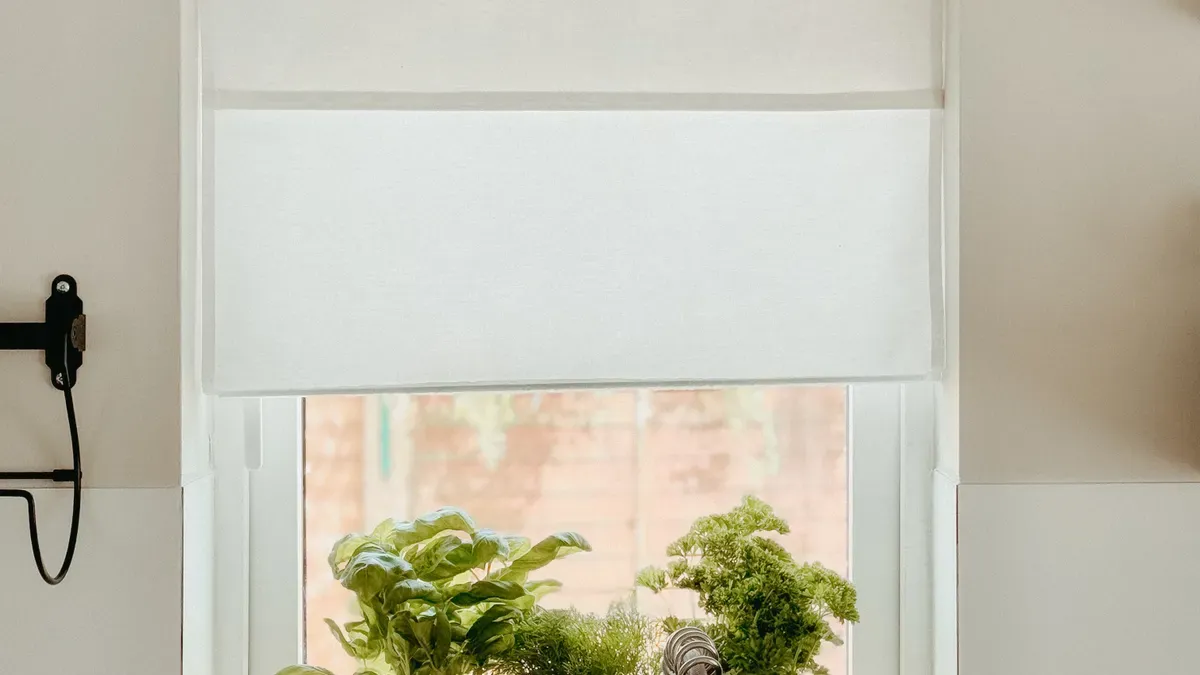
Windoware roller blinds are window coverings made from a single piece of fabric. The fabric rolls around a tube at the top of the window. A user pulls a chain or presses a motor button to raise or lower the shade. This simple design gives roller blinds their clean, flat appearance.
The table below lists these components and their functions:
| Component | Function |
|---|---|
| Shade band (fabric) | The actual fabric of the shade |
| Shade tube | The tube the fabric attaches to and rolls around |
| Brackets | Mounting point to wall or ceiling, supporting the clutch |
| Clutch | Mechanism that rotates the tube to raise or lower the shade |
| Bead chain | Manual control for the roller shade |
| Hem bar (bottom bar) | Weighted bottom closure of the shade |
| End caps | Decorative covers concealing brackets (outside mount) |
| Fascia | Aluminum cover hiding the tube and controls |
| Ball stops | Clips on the bead chain setting upper and lower limits |
| Chain hold down | Safety device securing the chain to the wall |
Lift systems come in manual and motorized options. Manual choices include a continuous-loop bead chain with a tension device, cordless spring-balanced lift, and tassel styles. Motorized choices include Somfy, Coulisse, and Lutron systems.
How They Work in Your Home
Understanding how roller blinds work starts with the mounting method. Inside-mount shades fit within the window casing. They require precise measurements and suit deep casings with even frames. A small light gap remains on each side so the shade can move smoothly.
Outside-mount roller window shades attach above or around the frame. They cover the entire window, which hides uneven trim and hardware. This approach blocks more light, especially with blackout fabrics. Homeowners often choose outside-mount roller shades for bedrooms, nurseries, and home theaters.
Pros and Cons of Roller Blinds: The Advantages
Clean Look, Design Variety, and Easy Operation
Roller blinds deliver a minimalist aesthetic that suits modern and traditional interiors alike. A single flat panel of fabric creates clean lines at the window. This simplicity explains why so many homeowners choose windoware roller blinds for living rooms, offices, and bedrooms.
Fabric selection spans a wide range. Sheer light-filtering options glow with daylight. Light-filtering styles maintain some visibility. Blackout fabrics darken a room fully for sleep or screen time.
Operation remains equally straightforward. A continuous bead chain raises and lowers the shade with one hand. Cordless spring-balanced systems offer a safer, cleaner look. Motorized options provide hands-free control for hard-to-reach windows.
Fabric quality separates an ordinary shade from a premium one. UNITEC’s PRUNOX DP22-2400~2420 Blackout Fabric illustrates this difference:
| Attribute | Value |
|---|---|
| Composition | 100% polyester with acrylic coating |
| Weaving | Jacquard |
| Width | 280 cm |
| Thickness | 0.73 mm ±10% |
| Weight | 251 gsm ±5% |
| Color Fastness | Grade 7-8 |
| UV Blockage | 100% |
| Certifications | SGS, Oeko-Tex Standard 100, Intertek, ISO9001 |
Light Control, Privacy, and Energy Efficiency
Light management ranks among the strongest pros and cons of roller blinds. A closed blackout fabric blocks light completely, which suits bedrooms and media rooms. Programmed schedules maintain privacy even when nobody is home.
Energy performance: Insulating fabrics trap a layer of air close to the window. This reduces heat gain in summer by up to 60% and prevents heat loss in winter by up to 40%. Homeowners can lower annual heating and cooling bills by about 10%.
UV protection matters for interior furnishings. The PRUNOX fabric blocks 100% of UV rays. This full blockage protects furniture, artwork, and flooring from fading. Color fastness rated at Grade 7-8 keeps the fabric looking vibrant over time.
Disadvantages of Roller Blinds: The Drawbacks
Light Gaps, Limited Adjustment, and Privacy at Night
Every window covering has trade-offs, and the disadvantages of roller blinds start at the edges. Inside-mounted shades need operating clearance, so some space beside the fabric is normal.
Inside-mounted roller shades require operating clearance, so some space beside the fabric is normal. This edge gap is listed as a documented disadvantage of roller blinds.
- [!] Side light gaps: Manufacturers cut roller blind fabric slightly narrower than the window opening to prevent fraying. This leaves gaps on each side.
- [!] Limited light-control flexibility: Unlike slatted blinds, roller blinds are all-or-nothing. They only raise or lower.
- [!] Nighttime privacy issues: Light-filtering fabrics show silhouettes at night when interior lights are on.
Gap Issues & Recommended Fixes:
| Gap issue | Effect | Recommended fix |
|---|---|---|
| Gaps between window and shade | Light seeps in | Use room-darkening side channels |
| Imprecise inside mounting | Visible light bleed | Measure precisely before ordering |
| Single-layer fabric glow | Room stays dim | Choose blackout fabric or add drapery |
Insulation, Durability, and Installation Challenges
Roller blinds insulate less effectively than heavy curtains. Humidity creates another concern. Moisture-resistant roller shades coated with polyester or made from vinyl withstand condensation well.
Loose fabric can flap near open windows. Wide windows also limit options, as broad shades may sag. Motorized units add maintenance needs, such as battery replacement. Arched and circular windows present a poor fit; roller shades need a straight horizontal line.
Do Roller Blinds Provide Privacy While Allowing a View?
Sheer vs. Blackout Fabrics
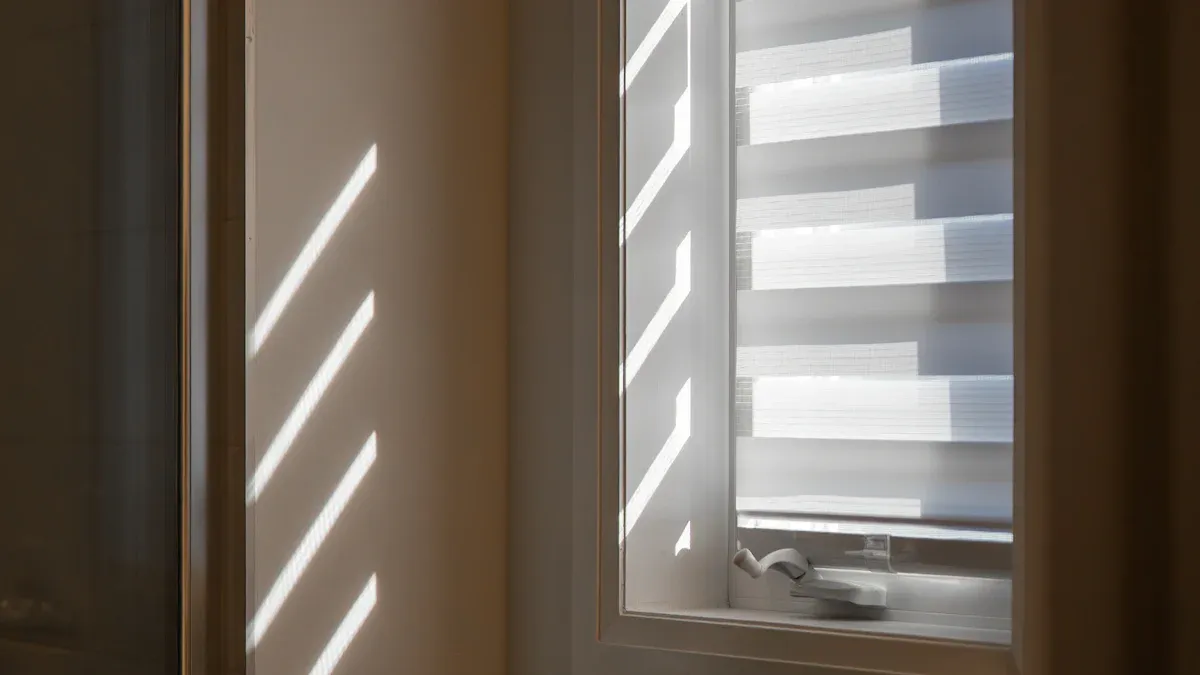
Sheer fabric lets general shapes show through while keeping the room bright. Blackout fabric blocks visible light through the panel, providing total daytime privacy. The table below compares the two:
| Fabric | Light blocked | View out | Privacy | Best rooms |
|---|---|---|---|---|
| Sheer | ~0 to 50% | Clear | Limited | Living rooms |
| Blackout | ~99 to 100% | None | Total | Bedrooms |
Day-and-Night and Dual Roller Options
Perforated mesh fabric allows one-way vision during the day. However, this effect reverses at night when interior lights are on.
Solar shades use a woven, screen-like material that creates a one-way view. This effect works best during the day.
Are Roller Blinds Cheap-Looking?
The fabric quality, weave, and hardware finish determine whether the installation looks upscale or budget-grade. Selecting high-quality fabrics like UNITEC’s PRUNOX line ensures a substantial and refined look.
| Factor | Cheap-Looking | High-End |
|---|---|---|
| Fabric | Basic vinyl | Textured weaves, linens |
| Hardware | Exposed roll | Fabric-wrapped cassette |
| Operation | Plastic chain | Quiet motor / Smart control |
How Long Do Roller Blinds Last and What Should You Pay?
Quality roller blinds typically last 8 to 10 years. Premium, motorized shades can reach 10 to 15 years.
| Tier | Cost | Lifespan | Cost/Year |
|---|---|---|---|
| Budget Retail | $30 | 2-3 Yrs | $9-$12 |
| VelaBlinds Pro | $80 | 10+ Yrs | ~$8 |
Do Motorized Options Solve Roller Blind Drawbacks?
Motorization addresses the difficulty of reaching controls. Tall windows and skylights become effortless to operate with remotes or voice commands.
Smart Features:
Users can schedule smart roller blinds to open with sunrise or close at night. Up to three timers per blind are programmable via app.
Roller Blinds vs. Other Window Treatments
| Type | Style | Light Control | Insulation |
|---|---|---|---|
| Roller | Sleek | Full block | Modest |
| Roman | Soft | Full block | Better |
| Venetian | Slats | Precise | Modest |
| Curtains | Traditional | Varies | Superior |
Windoware roller blinds balance simplicity against performance. They deliver a clean, modern look and easy upkeep. Trusted brands like UNITEC supply durable fabrics with strong guarantees.
FAQ
Do roller blinds work in humid rooms like bathrooms?
Moisture-resistant roller shades coated with polyester or vinyl handle condensation well. Select suitable materials for lasting performance.
Can roller blinds darken a room completely?
Blackout fabrics block nearly all light, but inside-mounted shades leave side gaps. Room-darkening side channels reduce this bleed.
How long do motorized roller blind batteries last?
Standard alkaline: 6-12 months. Lithium: 1-3 years. Rechargeable: 6-18 months.
What drives the cost of roller blinds?
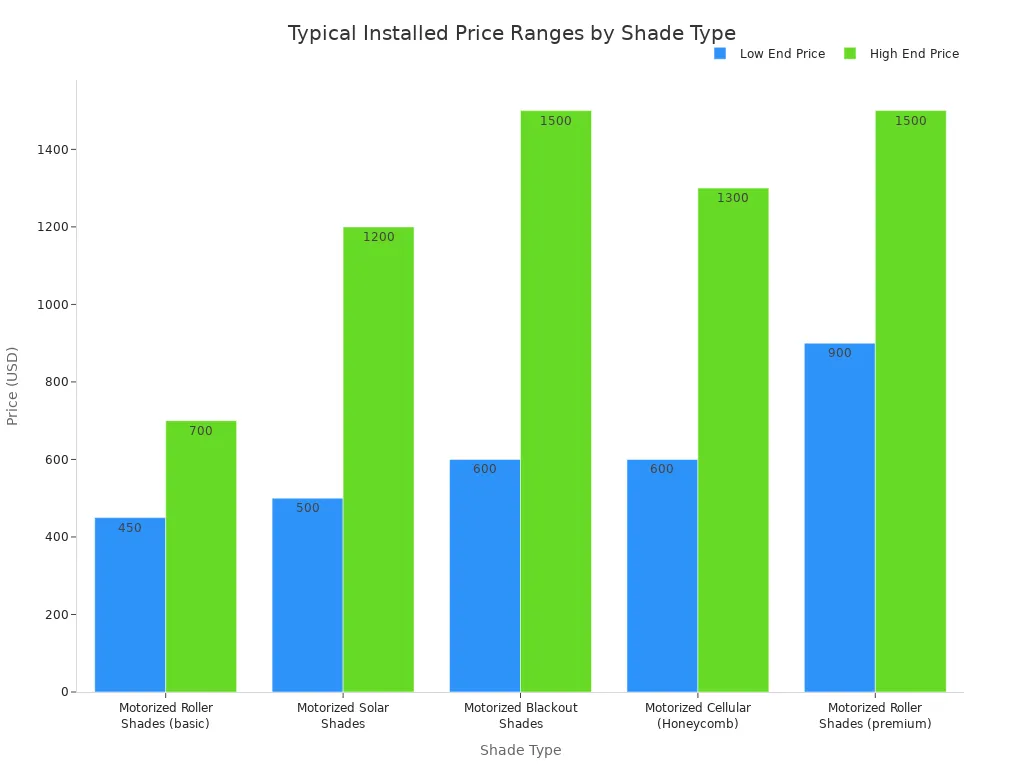
Fabric weight, certifications, motor type, and custom sizing. Basic motorized options cost $450 to $700 installed.