Woven Roller Shades Pros and Cons You Need to Know
Woven roller shades make rooms feel more natural. You can change the light in the room. The materials are good for the environment. There are many styles to pick from. But you may have less privacy. You might need to clean them more often. They can cost more money. See how these shades can change your room:

| Aspect | Impact |
|---|---|
| Comfort | You can adjust light and privacy. Air moves easily. |
| Style | There are many patterns, textures, and colors. They match any room. |
| Function | These shades help keep rooms cool. They save energy. |
| Sustainability | They use materials like bamboo that grow back. |
Key Takeaways
- Woven roller shades let in more sunlight and make rooms feel warm.
- These shades are good for the environment because they use materials like bamboo.
- You can add liners to get more privacy and block light, which is helpful in bedrooms and media rooms.
- It is easy to take care of these shades. Dust them every month and clean up spills right away to keep them nice.
- Woven shades may cost more than other types, so think about your budget and what each room needs before you buy.
Pros of Woven Roller Shades
Natural Style and Texture
Woven shades make rooms feel warm and natural. They use real materials like bamboo, grasses, and reeds. These fibers give your room a cozy feeling. Bamboo shades are strong and work in modern or rustic homes. Grasses look light and make rooms feel open. Reeds add an earthy look to your space. Many people like how woven roller shades give an organic style. If you want your home to feel close to nature, these shades are a good pick.
- Bamboo, grasses, and reeds are the main fibers.
- They bring warmth and character to rooms.
- Bamboo shades are strong and work in many places.
- Grasses look light and match different styles.
- Reeds give a special, earthy texture.
Light Control and Ambiance
Woven shades help you change the light in your room. The weave lets in soft sunlight and makes rooms feel calm. If you want more privacy or less light, you can add a liner. Liners help block sunlight and stop glare. They also protect furniture from fading. Liners keep people from seeing inside at night. With liners, you get daylight and privacy together. Woven roller shades work well in living rooms, kitchens, and bedrooms with liners.
- Liners block sunlight and stop glare.
- They protect furniture from fading.
- Liners help with privacy at night.
- You can enjoy daylight and feel safe.
Eco-Friendly Materials
Many woven shades use materials that can be renewed or recycled. This makes them a smart choice for eco-friendly homes. Bamboo grows back fast, so bamboo shades are good for the planet. Some roller shade fabrics use up to half recycled materials. Picking woven roller shades can help you meet green building goals like LEED or WELL. These shades often use PVC-free fabrics, which are better for nature.
| Product | Percentage of Recycled Materials |
|---|---|
| GreenScreen Revive Fabric | 89% |
| Roller Shade Fabrics | Up to 50% |
| Provenance Woven Woods | N/A |
Woven shades made from recyclable, PVC-free fabrics help save energy and keep air clean.
Versatile Design Options
Woven shades come in many colors, weaves, and patterns. You can pick soft colors, bold patterns, or gentle textures. Some choices are modern grassweave, hand-loomed papyrusweave, and custom bamboo shades in different colors. You can also choose top treatments like cassettes or fabric valances to match your style. Woven roller shades fit in classic or modern rooms. They look simple and do not take over the space.
| Fabric Name | Color Options | Customization Options |
|---|---|---|
| Abigail | Zest | Top treatment design choices available |
| Anchor | Beige Silk | Cassettes, fascias, and fabric valances |
| Fae | Glass | |
| Harper | Gabbro | |
| Oakley | Ginger | |
| Poppy | Silvered |
Woven shades stand out because you can match them to your home’s style.
Tip: If you want more choices, look at UNITEC’s roller blinds fabrics. They have blackout, light filtering, and sunscreen options for every room.
Simple Maintenance
Woven shades are easy to care for if you follow a few steps. Dust them each month with a microfiber duster or a vacuum brush. If you spill something, clean it right away with a soft cloth and mild soap. Check for frayed edges or loose parts sometimes. For a deep clean, call a professional every few years. Woven shades need gentle care compared to fabric or vinyl shades. Do not use too much water to keep the fibers safe.
- Dust every month with a microfiber duster.
- Clean spills with a soft cloth and mild soap.
- Check for wear and fix small problems early.
- Get professional cleaning every 2–3 years.
Woven roller shades give you a natural look, flexible light control, and easy care. They are a smart pick for anyone who wants style and function together.
Cons of Woven Roller Shades
Limited Privacy and Blackout
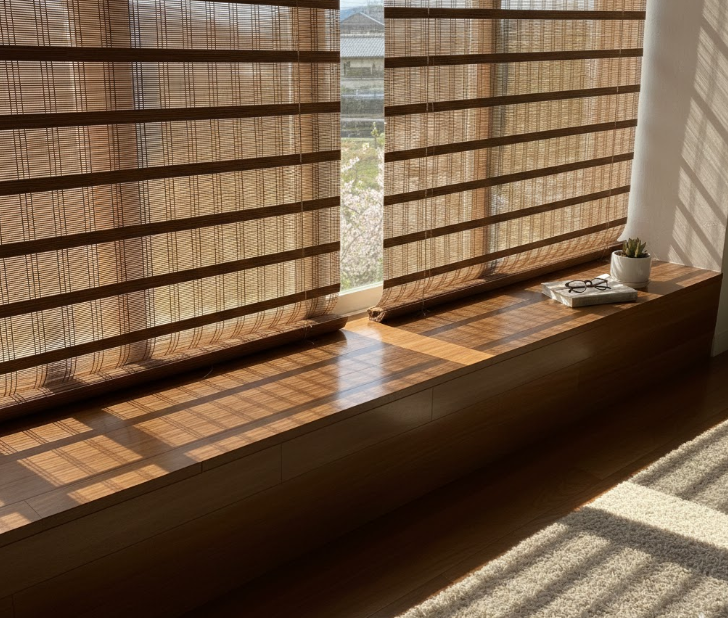
Woven shades look beautiful, but they do not always give you the privacy you might want. At night, if you turn on the lights inside, people outside can see right through the weave. This is called the “fishbowl effect.” It can make you feel like you are on display, especially if you do not use a liner. In rooms like bedrooms or media rooms, this can be a real problem. Kitchens with big windows may also need denser fabrics to keep things private while you cook or eat.
You can add a liner to woven shades to help with privacy and light control. Here is what liners can do for you:
- Blackout shades block light and keep your room private, which is great for sleeping or watching movies.
- Blackout liners give you total privacy and stop light from coming in, making them perfect for bedrooms and media rooms.
- These liners are special fabric layers that also help save energy and keep your room comfortable.
If you want a true blackout effect or need better insulation, you might want to look at other options like UNITEC’s blackout or sunscreen fabrics. These can give you more control over light and privacy.
Durability and Wear
Woven shades are made from natural fibers, so they can wear out faster than other window coverings. Over time, the fibers can get brittle or discolored, especially if they get a lot of sun or moisture. Here is a look at how long different window treatments last:
| Window Treatment | Average Lifespan (Years) |
|---|---|
| Bamboo/Woven Wood Shades | 7-12 |
| Aluminum Venetian Blinds | 15-20 |
| Cellular Shades | 12-18 |
| Wood Blinds | 10-15 |
| Faux Wood Blinds | 12-16 |
Bamboo shades and woven wood shades usually last about 7 to 12 years. If you want something that lasts longer, you may want to consider other types of blinds.
Moisture and Sunlight Issues
Woven shades do not always do well in rooms with lots of moisture or sunlight. The natural fibers can soak up water, which may cause them to warp or grow mold. Sunlight can fade the colors and make the fibers dry and brittle. Sometimes, you will see patchy fading if only part of the shade gets sun. In humid places, you might notice mold, mildew, or even problems with the shade’s moving parts.
Here are some common issues:
- Mold and mildew can grow if the shades stay damp.
- High humidity can make the fabric break down faster.
- Sunlight can fade the colors and make the shades crack.
- The glue or adhesive may fail in very humid rooms.
If you need shades for a bathroom, kitchen, or sunny window, you might want to look at other options like UNITEC’s sunscreen or blackout fabrics, which handle moisture and sun better.
Cleaning Challenges
Keeping woven shades clean can be tricky. The natural fibers do not like too much water or strong cleaning products. If you use the wrong method, you might discolor the shade or even damage its structure.
The cleaning challenges with woven shades come from their sensitivity to moisture and rough cleaning. Using too much water or scrubbing hard can cause stains, fading, or even make the shade fall apart. Other window coverings, like fabric or vinyl, are often easier to clean and less likely to get damaged.
If you live in a dusty area, you will need to clean your shades often. Here is a simple cleaning guide:
| Step | Tools | Method | Pro Tip |
|---|---|---|---|
| Dust Removal | Vacuum + soft brush | Gently vacuum top to bottom | Do this weekly to stop buildup |
| Spot Cleaning | Mild soap + microfiber | Blot stains, don’t scrub | Test a hidden spot first |
| Deep Clean | Bathtub + sponge | Soak in warm, soapy water | Avoid hot water or harsh soaps |
Higher Cost
Woven shades can cost more than other window coverings. The price goes up because of the natural materials, the way they are made, and any extras you add. Here are some things that make them more expensive:
| Factor | Explanation |
|---|---|
| Material Quality & Type | Natural materials like bamboo and jute cost more than synthetic ones. |
| Weave Density and Style | Tighter weaves use more material and take more work to make. |
| Liners, Light Control & UV Protection | Adding blackout or privacy liners means more material and labor. |
| Shade Style & Customization | Custom bamboo shades or special shapes need extra work and materials. |
| Window Size & Installation Complexity | Big windows or tricky installations take more time and resources. |
| Lift Systems & Controls | Motorized lift systems add a lot to the price. |
If you want a custom look or need special features, the cost can go up fast. For those on a budget, it may be worth looking at other options from UNITEC, like roller blinds fabrics or zebra blinds, which offer a range of prices and features.
Choosing Woven Shades for Your Home
Assessing Room Conditions
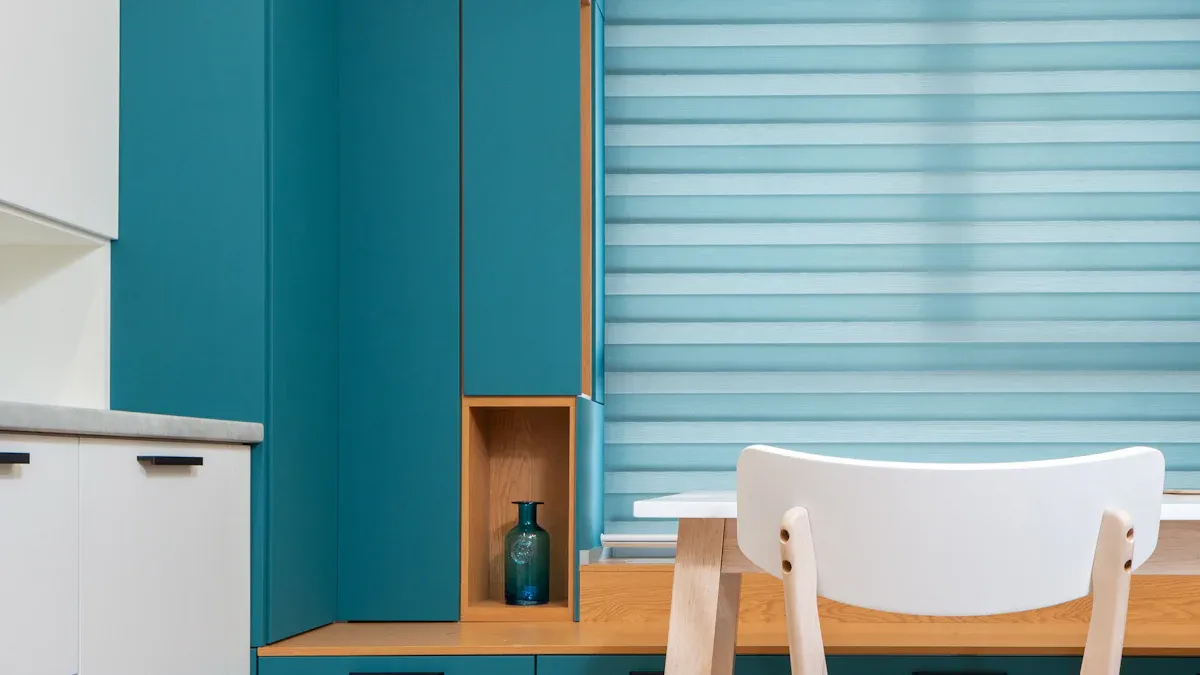
When you pick woven shades, look at your room first. Notice how much sunlight comes in. Think about if the room is damp or dry. Kitchens and bathrooms need shades that can handle water. Woven roller shades are good here because their coated fabrics do not warp or get mildew. You can clean them with a wet cloth. In sunrooms or above sinks, roller shades fit small spaces and look neat. Vinyl roller shades also keep water away, so drops slide off.
- Woven shades work well in wet rooms.
- Coated fabrics stop mold from growing.
- Roller shades are great for small windows and busy spots.
Matching Style and Function
Style is important, but so is how the shade works. Woven shades come in many colors and textures. You can pick light filtering shades for living rooms. Custom bamboo shades give a natural look. Bedrooms need more privacy, so room-darkening woven wood shades are best. In home offices, light filtering shades cut glare but let in daylight. Adding a liner helps with privacy and keeps rooms warmer.
| Room | Recommended Fabric Type | Functionality Description |
|---|---|---|
| Living Room | Light-filtering or sheer | Lets in sunlight and keeps some privacy. |
| Bedroom | Room-darkening | Blocks light for better sleep. |
| Kitchen | Light-filtering | Protects against heat and glare. |
| Home Office | Sheer or light-filtering | Reduces glare and keeps the space bright. |
Budget and Value
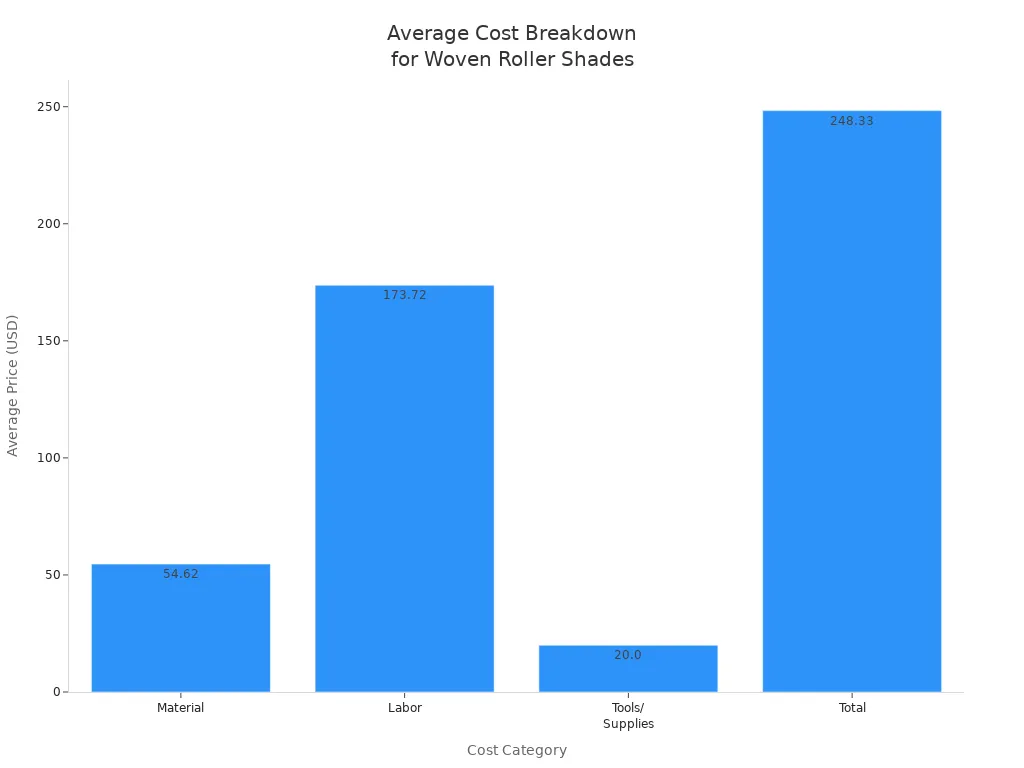
Woven shades have different prices. The cost depends on the material, labor, and tools. The average price is about $248.33. Custom bamboo shades or motorized systems can cost more.
| Category | Minimum Price | Average Price | Maximum Price |
|---|---|---|---|
| Material | $49.0 | $54.62 | $60.23 |
| Labor | $83.96 | $173.72 | $263.47 |
| Tools/Supplies | $15.0 | $20.0 | $25.0 |
| Total | $147.96 | $248.33 | $348.7 |
Woven roller shades help save energy and are easy to clean. They cost less to take care of than other window covers.
Maintenance Needs
Woven shades are simple to keep clean. Use a small vacuum with a soft brush to get rid of dust. Clean stains with a wet cloth and gentle cleaner. Do not use too much water or the shades may get ruined. Natural fibers soak up water, so keep them dry in damp rooms. Cleaning only takes 5-10 minutes. Roller blinds need less care than Roman blinds, so you save time and money.
- Dust with a microfiber cloth.
- Use a vacuum on low power.
- Do not soak the shades.
- Yearly cleaning costs are low, about $5-15.
Picking woven shades means you get style, eco-friendly materials, and easy cleaning. If you want more privacy or blackout, check out other UNITEC options for your windows.
Woven roller shades make your home look natural and nice. You can change how much light comes in. They use materials that are good for the earth. But there are some problems too. You might not get as much privacy. These shades can also cost more money. Think about what your room needs before you buy them. Make sure they match your style. If you want more options, look at UNITEC’s window coverings. They have something for every room.
FAQ
How do I clean woven roller shades?
Use a soft brush or vacuum with a gentle attachment. Wipe stains with a damp cloth and mild soap. Avoid soaking the shades. Regular dusting keeps them looking fresh.
Can woven roller shades block out all light?
No, woven roller shades let some light through. If you want total darkness, add a blackout liner or choose a different fabric. Bedrooms and media rooms need more light control.
Are woven roller shades good for bathrooms?
Woven roller shades work in bathrooms with good ventilation. Natural fibers may warp in high humidity. For wet areas, consider bamboo roller blinds or coated fabrics that resist moisture.
Do woven roller shades help save energy?
Yes, woven roller shades can help keep rooms cool by blocking sunlight. They also reduce glare and protect furniture from fading. Adding a liner improves insulation.
Can I customize the look of my woven roller shades?
You can pick from many colors, patterns, and textures. Some shades offer top treatments like cassettes or valances. Custom options help match your style and room needs.